The Col des Fours
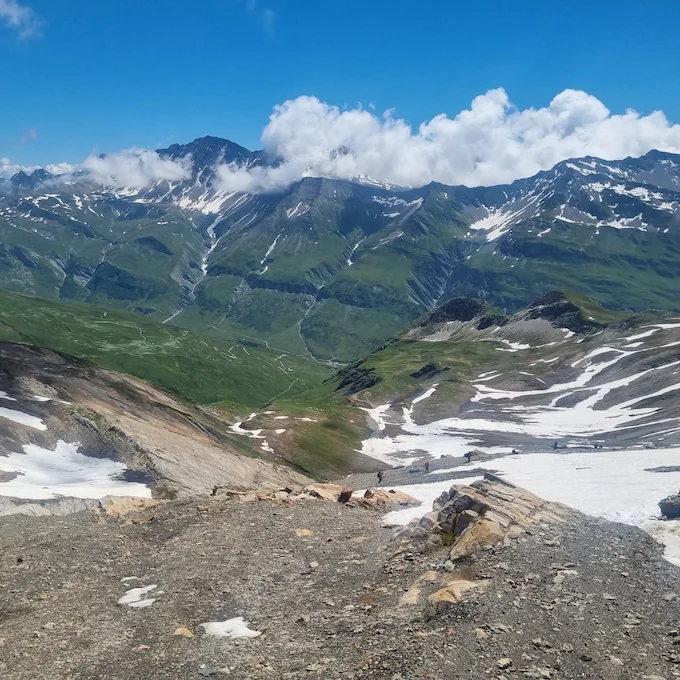
The Col des Fours is a spectacular variant of the famous Tour du Mont Blanc, offering breathtaking views and an unforgettable hiking experience for hikers seeking stunning mountain scenery and a true immersion in nature.
Table of Contents
What You Need to Know
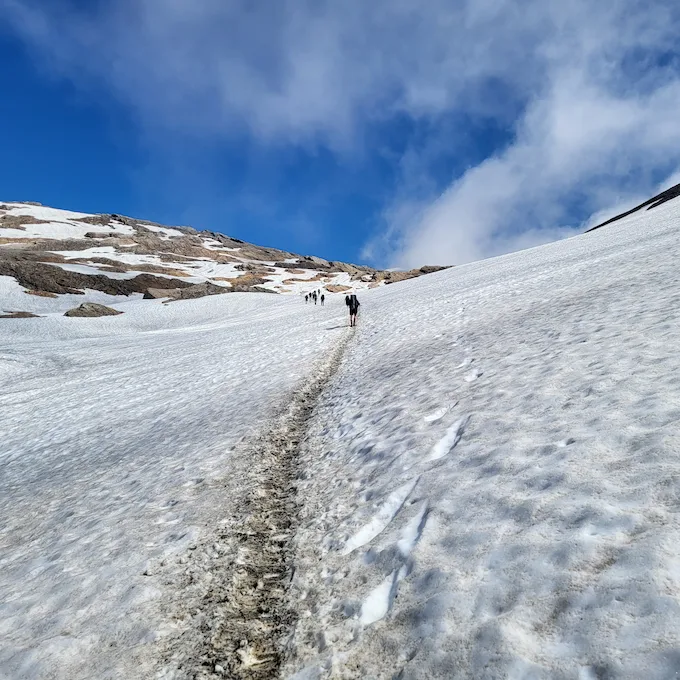
This variant of the Tour du Mont Blanc offers a more demanding but also more rewarding hiking experience, with panoramic views of the surrounding mountains. However, it is essential to check the weather and trail conditions before committing to this route: before mid-June, the Col des Fours keeps snowfields on its north side.
Hikers who have taken this route speak of the wild and unspoilt beauty of the area, the physical challenges of the climb, and the satisfaction of overcoming those challenges to reach the summit. Whether you are an experienced hiker looking for a new challenge or a nature lover eager to explore mountain landscapes, the Col des Fours is a destination not to be missed.
Download the stage GPX track: https://www.visugpx.com/URWmZQHWLG
The initial route of this stage coincides with the traditional TMB path, starting at the Refuge de la Balme and climbing over a distance of 4 kilometres with an elevation gain of 650 m2 133 ft to reach the Col du Bonhomme.
As you progress towards the Col de la Croix du Bonhomme, you will face a choice - take the variant that leads to the Col des Fours. This detour takes you higher, revealing stunning panoramic views of the surrounding mountains. Before setting off on this variant, it is crucial to check the weather forecast and assess trail conditions. Depending on the time of year, you may encounter numerous snow patches, making some sections potentially dangerous, even in summer.
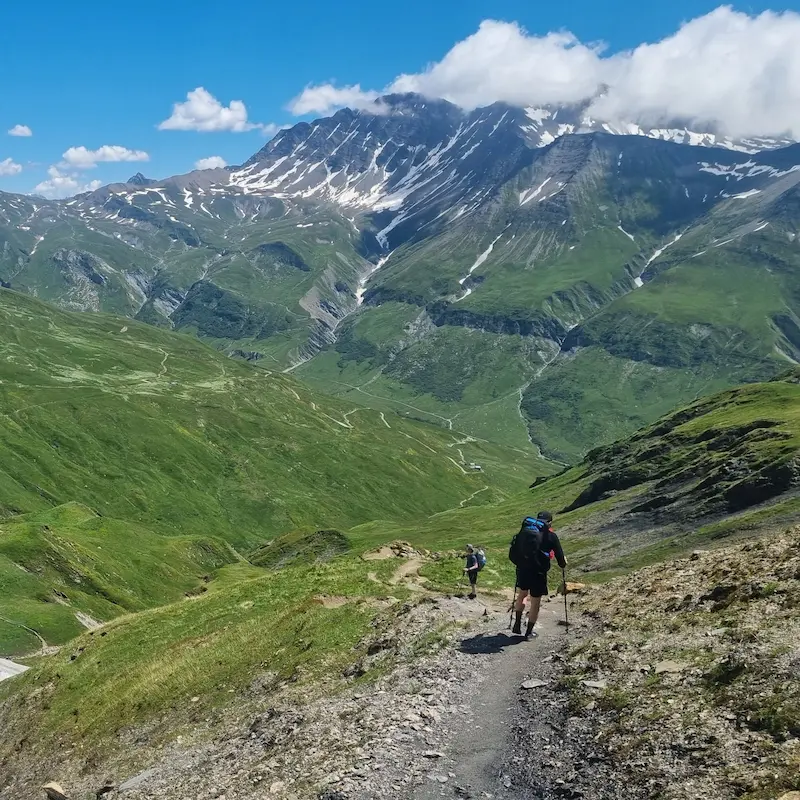
Once at the Col des Fours, a 5-kilometre descent with an elevation loss of 900 m2 953 ft will bring you to the Ville des Glaciers, before continuing on your way to the Refuge des Mottets.
The Refuge des Mottets marks your last stop before crossing the Col de la Seigne the following day, where the tour enters the Aosta Valley. It is advisable to book your place if you plan to spend the night at the refuge. There is no possibility of bivouacking near the refuge, and the wardens’ association points out that bivouacking is not permitted anywhere in the Vallée des Glaciers, which consists of alpine pastures and private property (see our camping regulations guide).
Update, 18 May 2026 (from the warden of Refuge des Mottets): bivouacking is prohibited throughout the Vallée des Glaciers. The only authorised bivouac spot on this stage is the communal bivouac area in the village of Les Chapieux.Points of interest: Col du Bonhomme, Col des Fours
Where to sleep?
- Refuge des Mottets
- Communal bivouac area in Les Chapieux village (the only authorised bivouac on this stage)
Practical info
See this route on the map
Interactive TMB map
We organize the logistics so you can focus on the trail. Get in touch with our experts today.
Direct contact with local TMB experts

Explore more itineraries
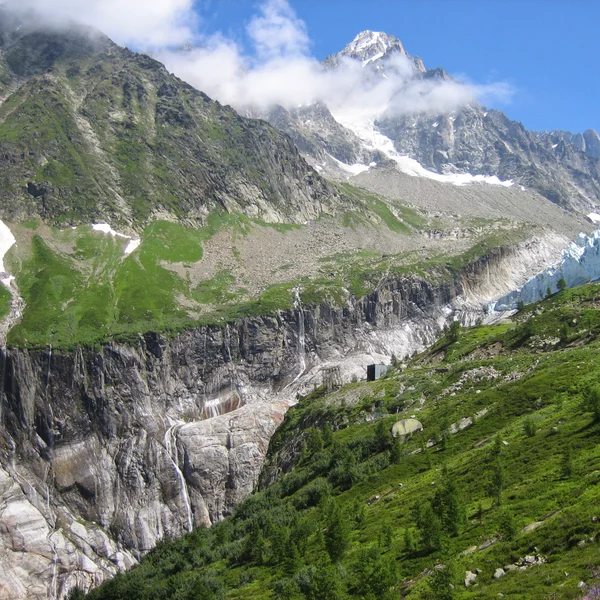
The Argentière Glacier
An easy walk from Lognan, above Argentière, to the viewpoint over the Argentière Glacier serac fall. Check whether the Grands-Montets cable car is running: it was closed all summer 2026, with no summer 2027 opening announced.
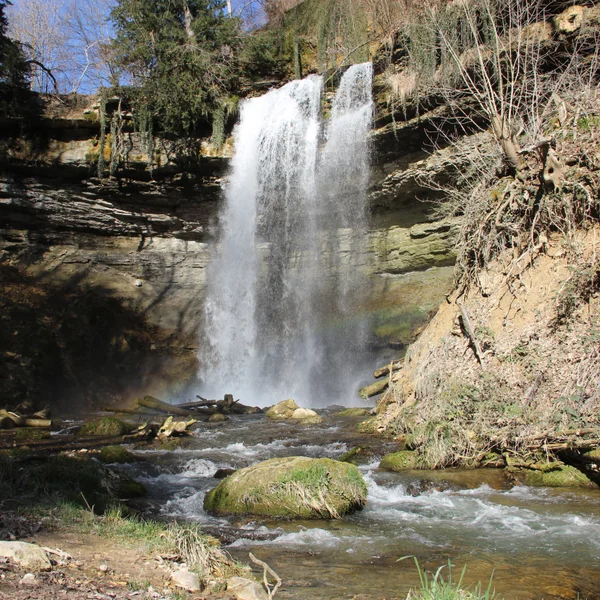
The Cascade du Dard
The Cascade du Dard is a short forest walk in the Chamonix valley to a 20 m66 ft waterfall at 1,233 m4,045 ft. An easy rest-day outing from the TMB.
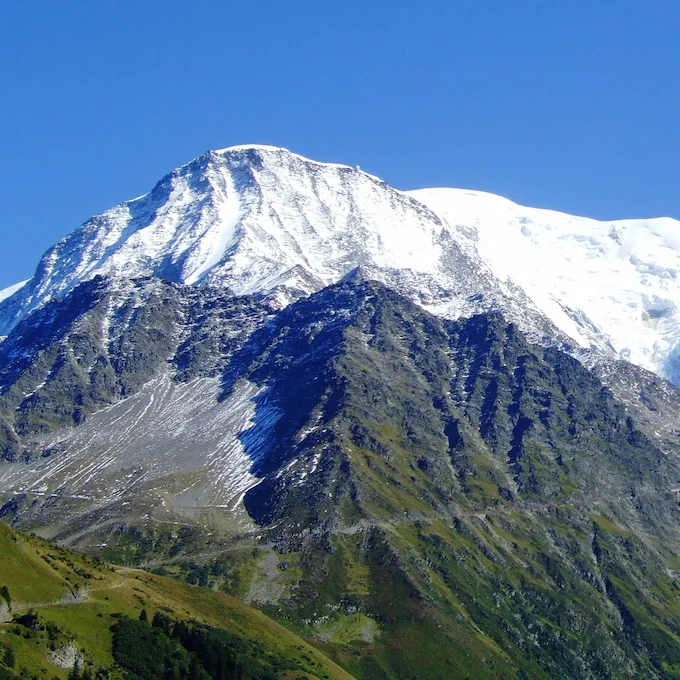
The Col de Tricot
The Col de Tricot variant leaves the classic TMB at the Col de Voza and reaches Les Contamines via the Chalets de Miage and Le Truc, with views of the Aiguille de Bionnassay and the Dômes de Miage.
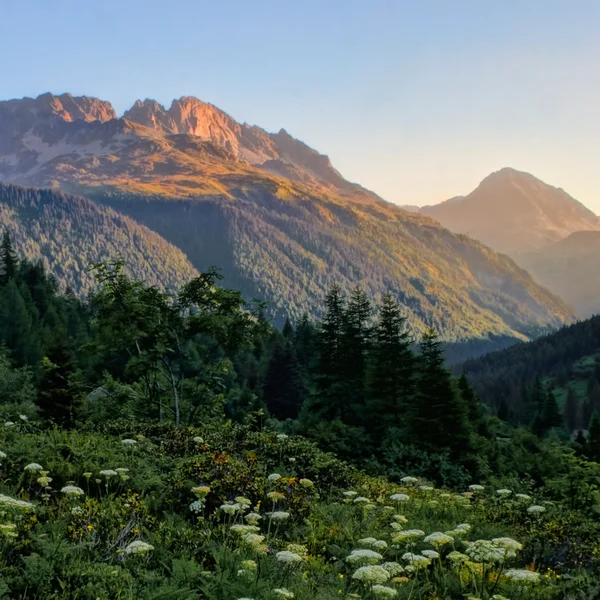
The Col des Montets
The Col des Montets variant crosses the Aiguilles Rouges Nature Reserve between Argentière and Vallorcine, with panoramic views of the Mont Blanc massif from the opposite side of the Chamonix valley.
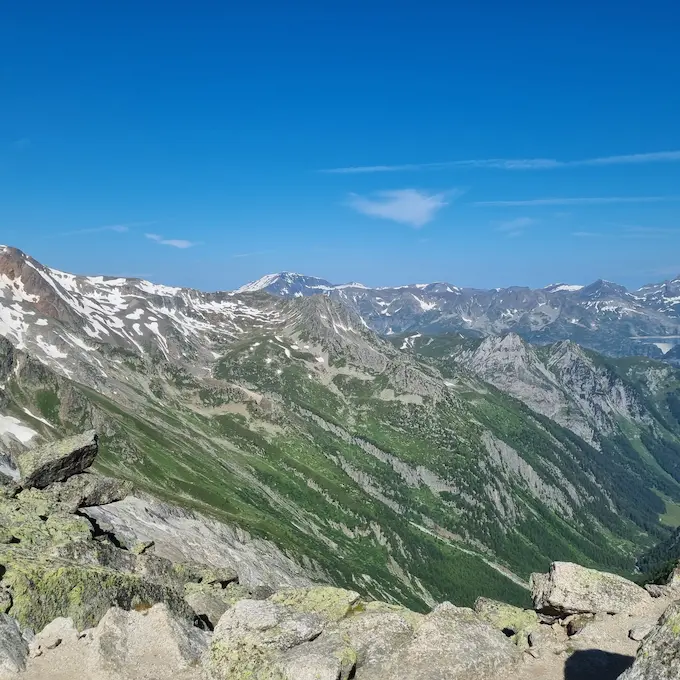
The Fenêtre d'Arpette
Often considered one of the most beautiful variants of the TMB, and one of the most demanding: a wild pass at 2,665 m8,743 ft with views of the Trient Glacier.
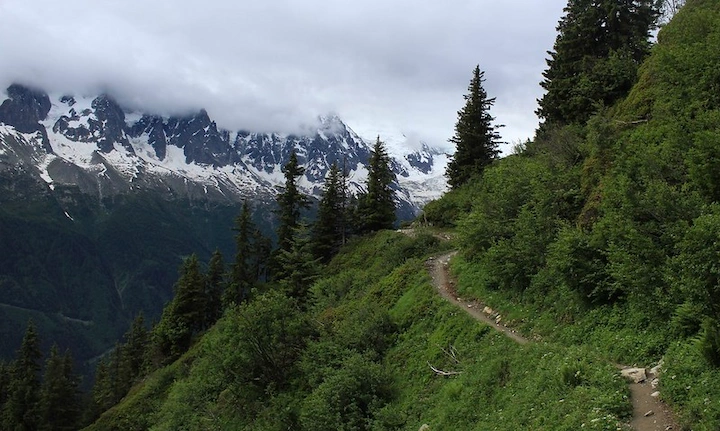
Tour du Mont Blanc in 10 Days
The TMB itinerary in 10 stages to fully enjoy the alpine scenery. A comfortable pace through France, Italy, and Switzerland.
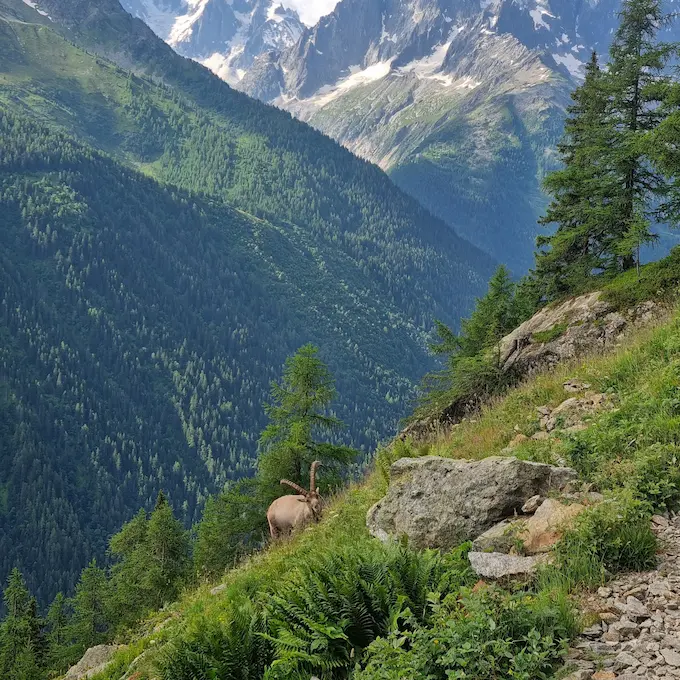
Tour du Mont Blanc in 7 Days
The classic TMB itinerary in 7 stages through France, Italy, and Switzerland. 157 km98 mi of spectacular trails around the Mont Blanc massif.
Reviews of our partner agencies · 672 verified after travel
"This was one of the best trips of my life!! Views were SPECTACULAR, 3 course dinners and picnic lunches were amazingly good"
"An unforgettable trip with breathtaking scenery - both literally and figuratively. […] Everything went smoothly without a hitch (hotel reservations, luggage transfers)."
"Wonderful experience with aid of our guide, challenging but do able"
"A wide variety of hikes with numerous "high-mountain" panoramic views: glaciers, peaks. […] In short, a magnificent trip that poses no difficulties for those who hike regularly."
"I had a truly unique and wonderful experience - it was a complete success in every way. Thierry is a great guide"
"Delighted with our hike around Mont Blanc. Excellent service. I recommend it."
"Scenery was out of this world. The ascents were hard but it meant you could stop and take it all in"
Experienced local agencies
Our partner agencies are based in the Alps and know every trail, every refuge and every season of the Tour du Mont Blanc.
Fully protected trips
We work exclusively with registered agencies, covered by a financial guarantee and insured.
Hand-picked tours, not generic packages
Every season, we compare our partner agencies' tours and only keep those designed by teams who hike these trails. Luggage transfers, dietary needs and logistics are handled by the agency.
A real person, not a call center
You describe your plans once to Hugo, who passes them on to the best-suited agency. Its specialists then look after you before, during and after your trek.