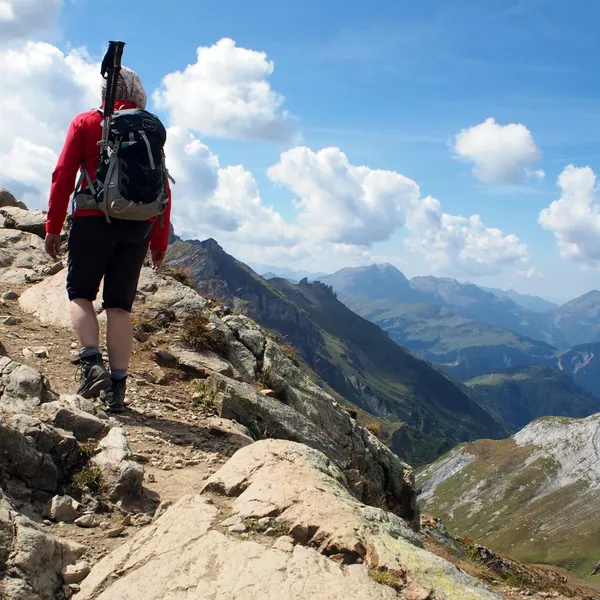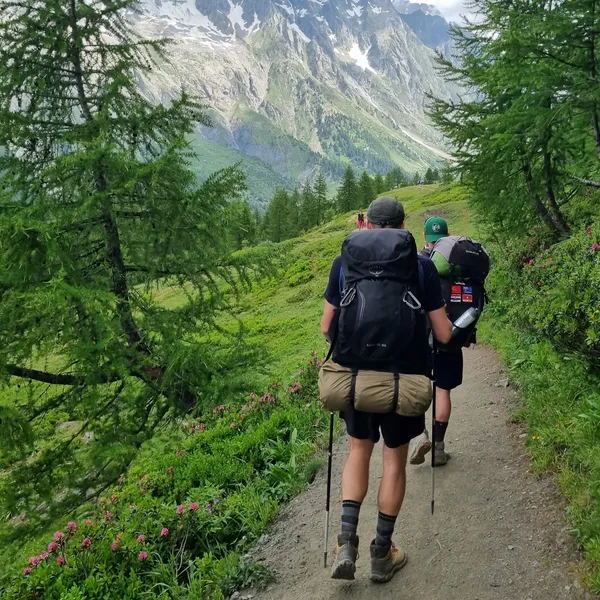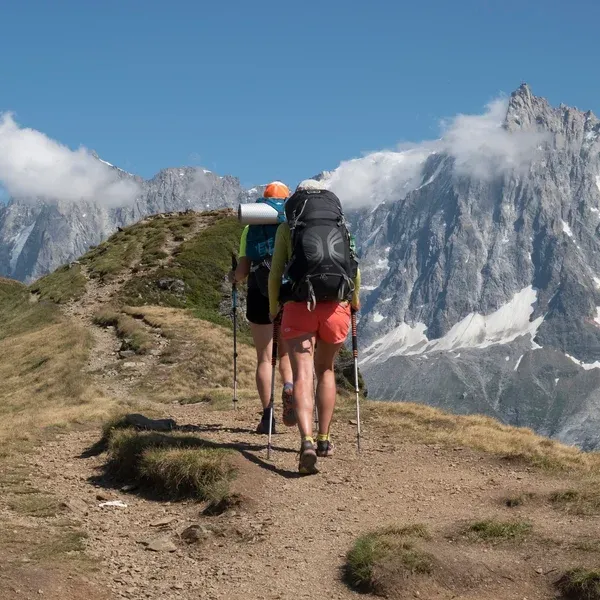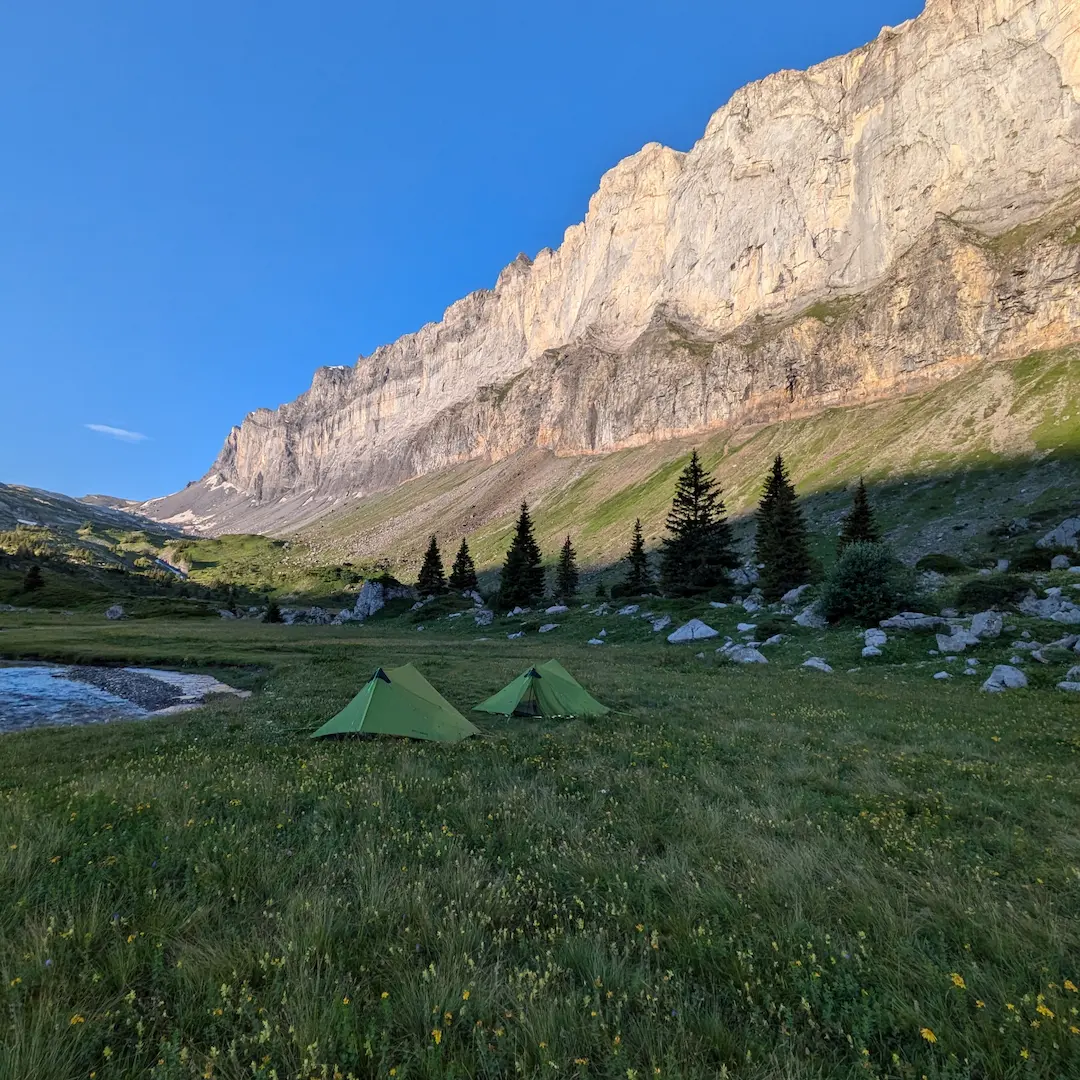
The Tour du Mont Blanc is a must-do experience for any hiker, crossing three countries - France, Italy, and Switzerland - and is an adventure to be experienced at least once in a lifetime. The hiking season generally extends from mid-June to mid-September, as La Chamoniarde notes (in French), but the “best” time to undertake this hike depends on several factors, including weather, crowds, and the availability of refuges.
Spring: A Season to Avoid
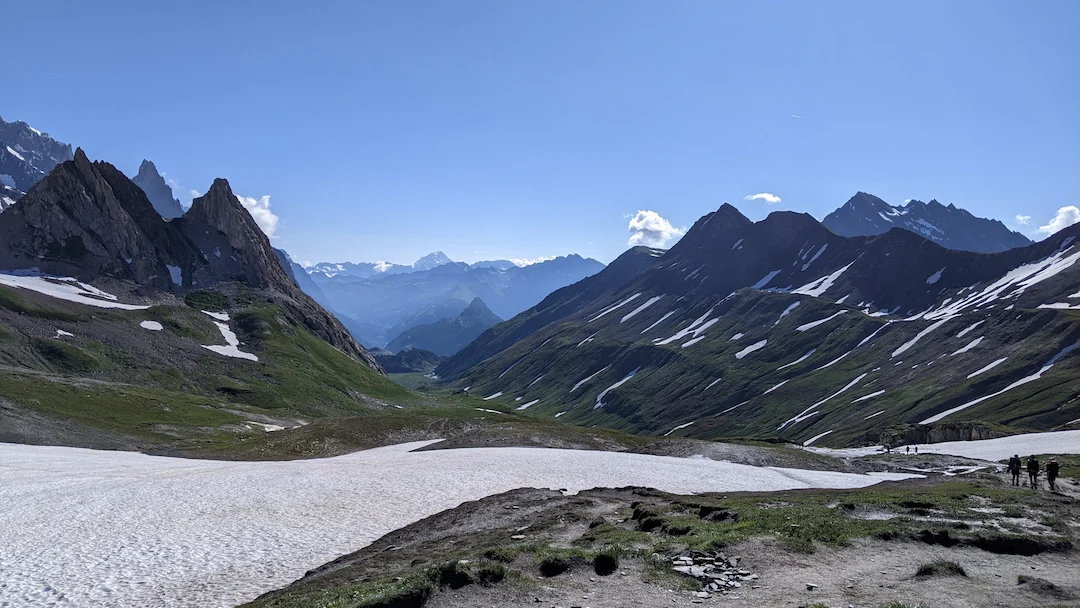
Spring is generally not the best time for trekking in the Northern Alps. Snow lingers on the passes until June, sometimes early July. Moreover, the mountain refuges are still closed during this season. However, spring is a time when nature awakens and the days get longer, offering other possibilities to discover the Mont Blanc region.
Despite its undeniable charm, spring presents particular challenges for hikers. Snowy trails can be slippery and dangerous, and weather conditions can change rapidly. However, for those willing to brave these challenges, spring offers a chance to see the Northern Alps in a different light, with constantly evolving landscapes.
Summer: The Ideal Season for the Tour du Mont Blanc
When asked “When to do the Tour du Mont Blanc?”, summer is often considered the best season. However, the experience can vary depending on the start date. Here are some points to consider:
- From mid-June: Most mountain refuges open their doors, but some are not yet in service in June: check the opening dates of each refuge.
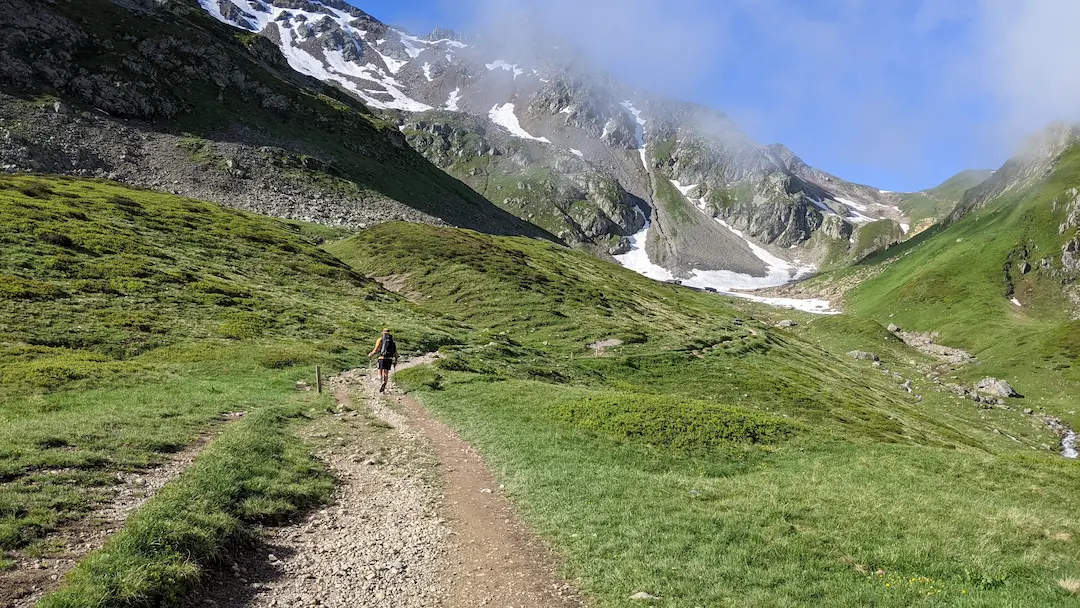
Early summer is a time of renewal in the Alps. The mountains, covered in snow during winter, begin to unveil green and flowered landscapes.
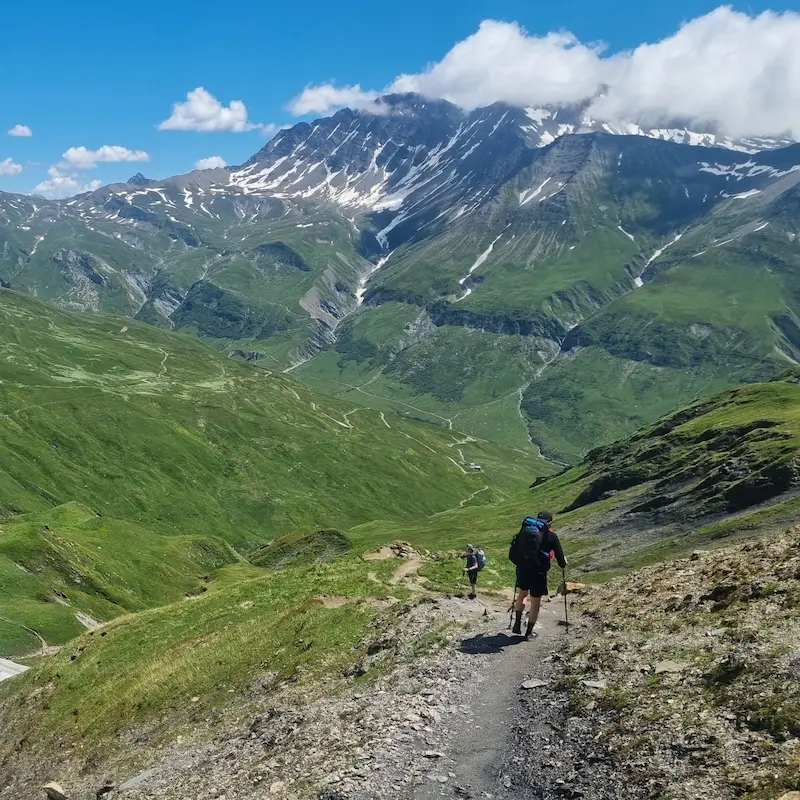
- From mid-July to mid-August: This is the preferred period for hikers: the route is then very busy and some refuges are full. Trails are clear, days are warm, refuges are open, and there is a lively atmosphere in the villages and refuges.
Mid-summer is the most popular time for the Tour du Mont Blanc, with ideal hiking conditions, pleasant temperatures, and well-maintained trails. It’s also when villages and refuges are most lively, offering hikers many opportunities to meet other mountain enthusiasts and share experiences.
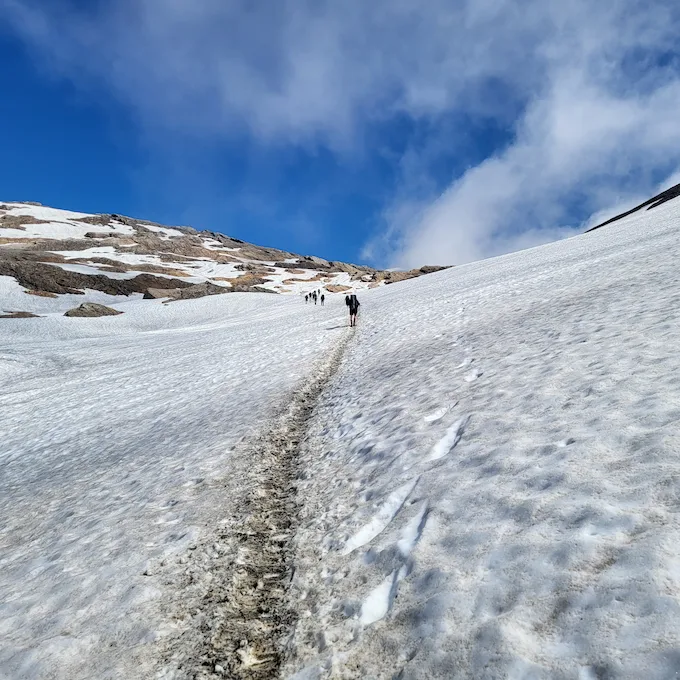
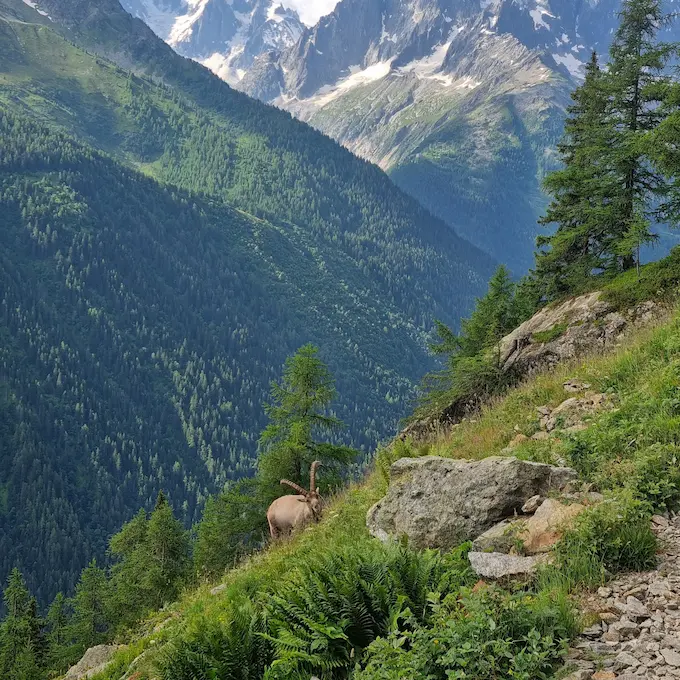
- From late August: The number of hikers decreases on the Tour du Mont Blanc trails, except during the UTMB race week, offering a quieter experience. Until mid-September, the atmosphere stays calmer, despite shorter days.
Late summer is a transition period in the Alps. Days start to shorten and temperatures begin to drop, but hiking conditions are generally good. It’s also a quieter time on the trails, which can be an advantage for those who prefer a more peaceful hiking experience.
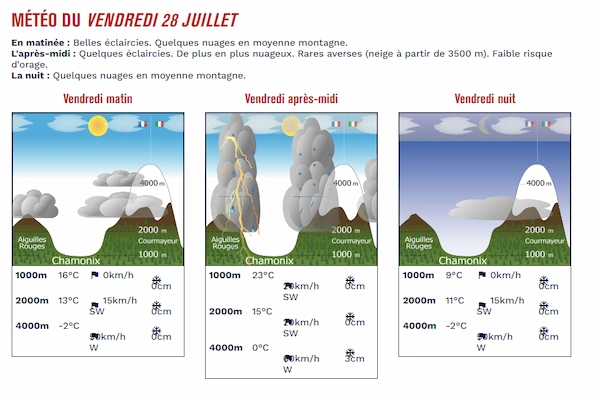
For example, on the Chamonix tourist office weather page.
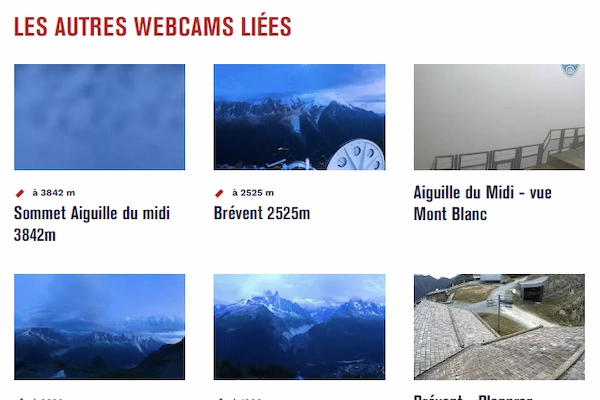
Also check directly on the webcams, those of the Chamonix resort and its surroundings are on the Chamonix tourist office webcams page.
Autumn: An Option to Consider
Doing the Tour du Mont Blanc in autumn takes different planning: refuges are only open from mid-June to mid-September (outside this period, you can contact the wardens at home). The days are shorter and the nights much cooler, even cold, with snow possible on the summits: pack suitable equipment.
Autumn is a season of contrasts in the Alps. The landscapes are adorned with bright colors, with leaves turning from green to red and orange. Temperatures are cooler, which can make hiking more enjoyable for some.
Winter: Refuges Closed
In winter, the Tour du Mont Blanc refuges are closed: they only open from mid-June to mid-September. Conditions are radically different from those in summer and present unique challenges.
Winter transforms the Alps into a landscape of snow and ice. Hiking trails are often covered in snow, and weather conditions can be challenging. The snowy landscapes are breathtakingly beautiful, and the atmosphere is incomparably calm and tranquil.
Browse All Our Itineraries
Tour du Mont Blanc in 7 Days
Stages, route & accommodations
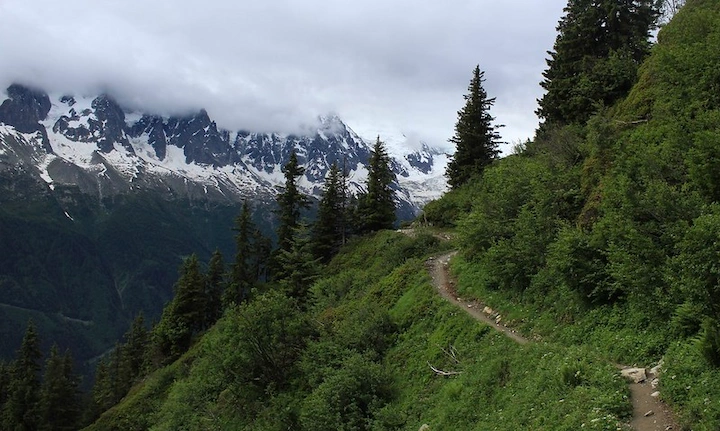
Tour du Mont Blanc in 10 Days
Stages, route & accommodations
Taking Local Events into Account
It is also important to consider specific events taking place in the region, such as the Ultra-Trail du Mont-Blanc (UTMB) at the end of August (24 to 30 August in 2026 - dates on the UTMB website), which can affect the availability of refuges and the number of people on the trail.
Local events can add an extra dimension to your Tour du Mont Blanc experience. Whether it’s a trail race, a cultural festival, or a traditional celebration, these events offer a unique opportunity to experience local culture and meet people from the region. However, they can also affect the availability of accommodations and the number of people on the trails, so it is important to consider them when planning your hike.
The Ultra-Trail du Mont-Blanc, for example, is one of the region’s most important events. This internationally renowned trail race attracts thousands of runners and spectators each year. If you plan to do the Tour du Mont Blanc at the end of August, you may need to adjust your itinerary or book your accommodations well in advance to avoid the crowds.
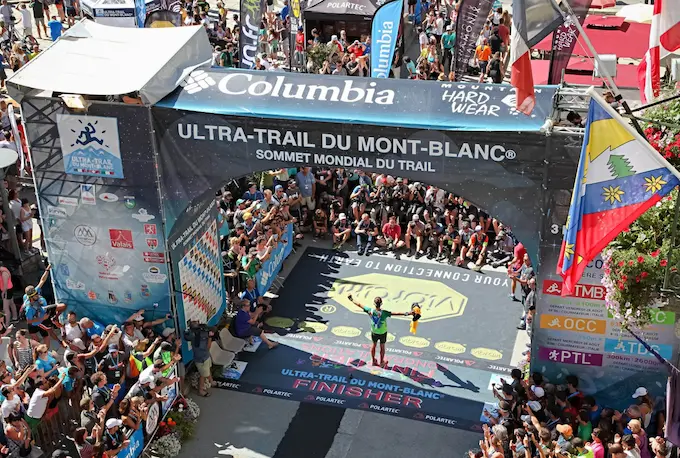
UTMB finish line in Chamonix
Discovering the Mont Blanc Region Differently
The Tour du Mont Blanc is not the only way to discover the region. Depending on the season, many other activities allow you to explore the Mont Blanc region, such as day hikes, snowshoeing, ski touring, or excursions to the surrounding villages to discover local culture and gastronomy.
The Mont Blanc region has a lot to offer, whether you are a passionate hiker or simply a lover of nature. Day hikes are an excellent option for those who prefer shorter excursions or wish to explore specific areas. Snowshoeing and ski touring are popular winter activities, offering a different way to discover the snowy landscapes.
The surrounding villages also offer a wealth of cultural and gastronomic discoveries. Whether it’s to taste local specialties, visit museums, or participate in festivals, these excursions offer a welcome break after several days of hiking.