The Tour du Mont Blanc is not a cheap trek. Three countries, seven to twelve nights in mountain refuges, gear that has to perform in high-alpine conditions, and a start point that requires real travel. Here is what a full tour really costs, item by item.
Refuge rates change from year to year: always confirm the current rate with the refuge before booking.
What Are the Total Costs for the Three Main TMB Formulas?
Self-guided in refuges: half-board in a dormitory (dinner, bed and breakfast) costs from 65 EUR$75 at the Refuge des Mottets (2027 rates) to 90 EUR$104 at the Refuge du Lac Blanc (2026 rate). For 7 nights, that puts accommodation at 455 EUR$528 to 630 EUR$731, before lunches, drinks, transport and gear. The full approach sits in our self-guided TMB guide.
Camping: camping and bivouac have their own rules, covered further down. Check campsite rates with each site, and factor in the cost and weight of the gear you need to carry.
With a tour operator: our self-guided tours start from 1,770 EUR$2,053 for the 8-day Classic TMB and 2,780 EUR$3,225 for the 12-day Classic TMB. Our 10-day guided Classic TMB starts from 4,150 EUR$4,814, including a professional guide, all accommodation, all meals, and luggage transfers. See all our self-guided tours and guided tours.
What Do Refuges Cost by Country?
A night in a refuge does not cost quite the same from one country to the next.
France: budget 65 EUR$75 to 90 EUR$104 a night with half-board. At Les Mottets, the large dormitory is 65 EUR$75 and the small one 85 EUR$99 (2027 rates), and cards are not accepted; at Lac Blanc it is 90 EUR$104 in a dormitory. A sleeping bag liner is mandatory in every refuge, La Chamoniarde reminds hikers, and always carry some cash in the mountains. The full list sits in our TMB refuges directory.
Italy: similar prices. A dormitory bed with half-board comes to 80 EUR$93 at Rifugio Bonatti, tourist tax included, and 70 EUR$81 at Rifugio Bertone, tax on top (2026 rates; Bonatti warns that 2027 prices may shift slightly).
Switzerland: prices are in Swiss francs. At the Relais d’Arpette, half-board in a comfort dormitory costs CHF 88, plus CHF 3.60 tourist tax (2026 rate). Depending on how you split the stages, you will spend one or more nights on this side of the border, between La Fouly, Champex and Trient.

When Do Refuge Booking Windows Open - and How Early Is Early Enough?
Note the date: refuges and gîtes in the Tour du Mont Blanc Wardens’ Association open their 2027 bookings on 15 October 2026. For the others, keep an eye on their own site. If you are aiming for high summer, book without delay: between 14 July and 15 August the route is very busy and some refuges are full.
If you plan to hike between 14 July and 15 August, book as soon as bookings open.
Check the UTMB dates each year before booking, too.
What Does Food Outside Half-Board Cost?
Half-board (bed, dinner and breakfast) is the standard formula in the refuges, and it is worth carrying cash in euros and Swiss francs for extras. Lunch is your responsibility.
- Refuge packed lunch: order it the evening before and ask the price on site.
- Lunch bought in the valleys: shop in the stage villages, usually the cheaper option.
- Drinks and snacks: budget for them separately from half-board.
How Much Does Getting to Les Houches Cost?
Les Houches is the classic starting point of the TMB.
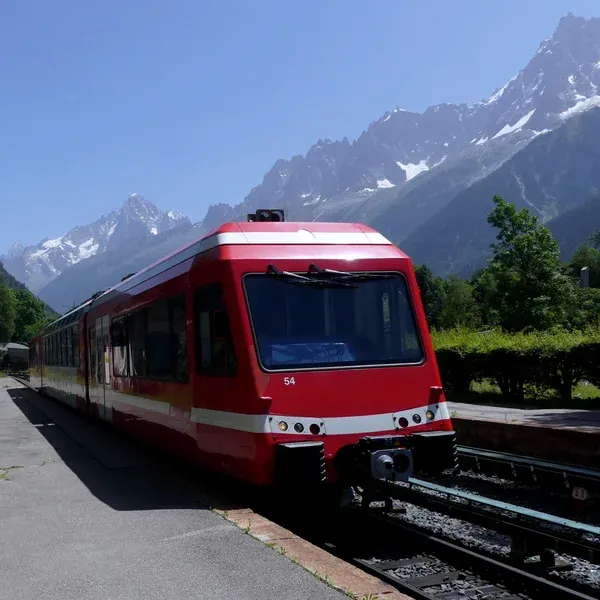
Transport fares vary with the date and how early you book: compare times and fares directly with the carriers (shuttles and buses from Geneva airport, trains, flights, car-sharing). Our guide to getting to the Tour du Mont Blanc covers the routes.
How Much Gear Do You Need to Invest In?
Frame this as amortized cost across multiple trips, not a single-use expense. Quality gear bought for the TMB will serve you for years.
- Hiking boots (waterproof, ankle support): break them in before departure to avoid blisters and rolled ankles on long stages. The models we recommend sit in our full TMB gear guide.
- Backpack: fit matters more than brand.
- Rain jacket (hardshell, waterproof-breathable): in the mountains most storms break out between 2pm and 5pm, and they give little warning.
- Trekking poles: strongly recommended for descents. Carbon is lighter; aluminium is more durable.
- Sleeping bag liner: mandatory in every refuge. Silk is lighter; cotton is cheaper.
Is Camping Genuinely Cheaper on the TMB?
In theory, yes. In practice, the regulations make it complicated.
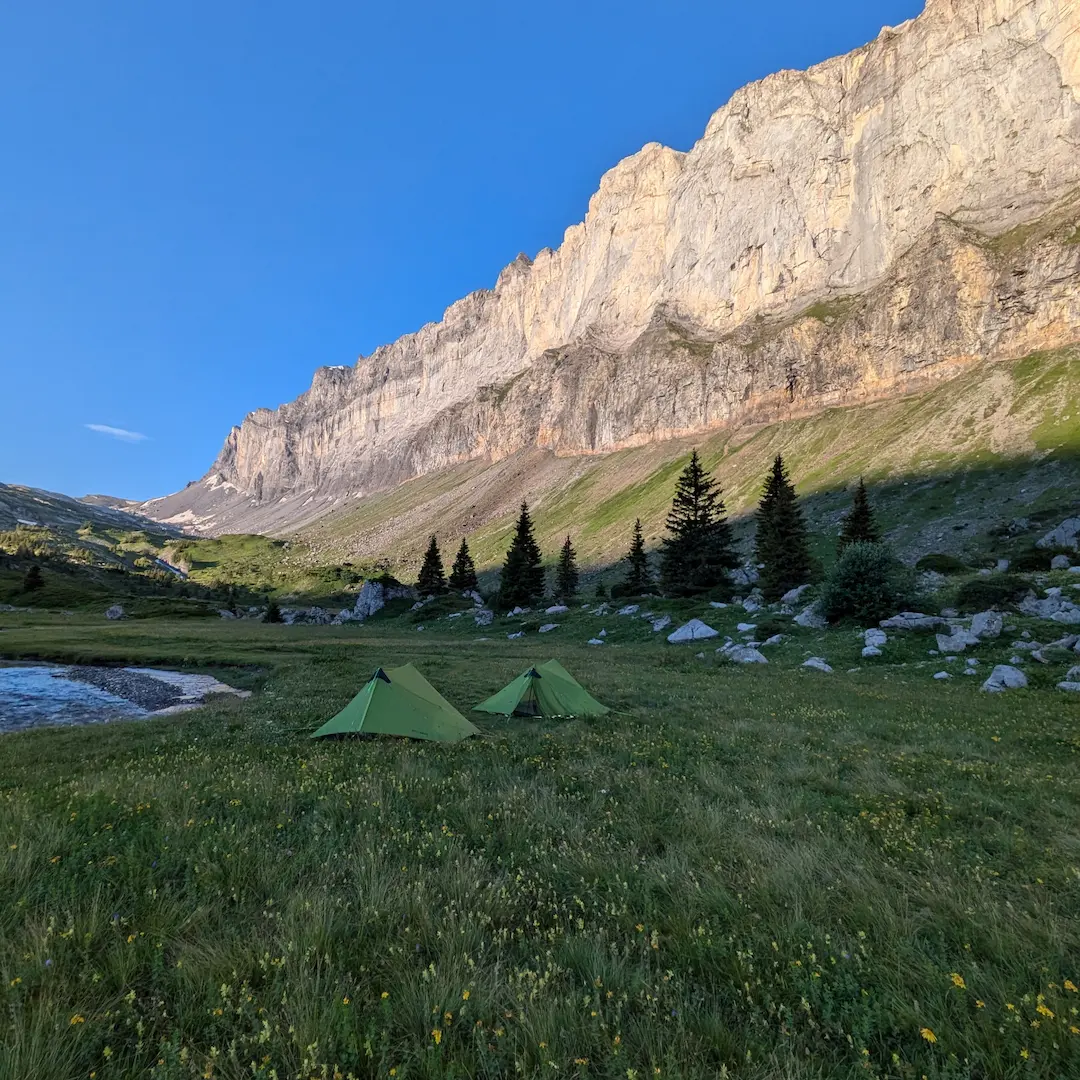
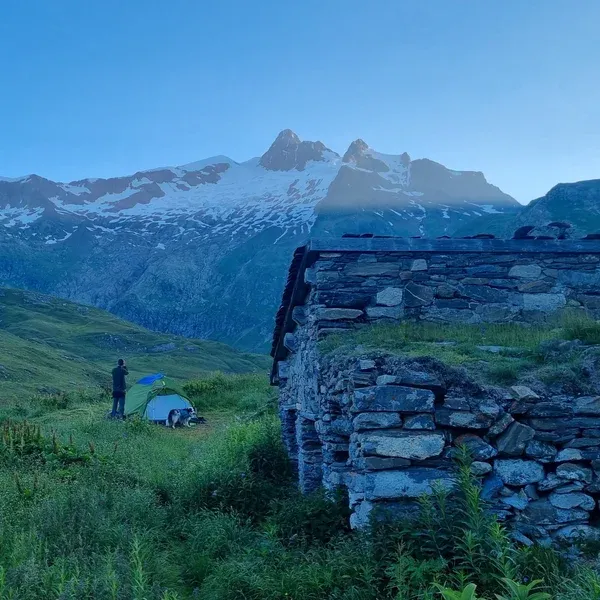
Bivouac on the TMB is regulated in all three countries. In France the applicable hours and distances come from reserve and municipal orders, such as the one for the Contamines-Montjoie reserve, and they change from one commune to the next: our guide covers them one by one. In the Aosta Valley, regional law no. 8 of 24 June 2002 bans any night in a tent, except mountaineering bivouacs above 2,500 m8,202 ft. In Switzerland, according to the Swiss Alpine Club, it is banned in protected areas and many communes add their own rules.
The saving over refuges can be real, but you carry a tent, sleeping bag, mat and cooking gear. That extra weight counts over the 170 km106 mi and 10,000 m32,808 ft of elevation of the classic tour.
What Does a Tour Agency Add, and What Does It Cost?
An agency adds real value, but at a price. Here is what you get in return.
Self-guided trips require a minimum of 2 hikers. Our 8-day self-guided TMB starts from 1,770 EUR$2,053 and the 12-day version from 2,780 EUR$3,225. The final price varies with the options you pick: luggage transfer between stages, private-room upgrade, classic refuges or valley auberges/hotels. You walk at your own pace with no guide on the trail.
Fully guided trips - from 4,150 EUR$4,814 for 10 days - include a professional mountain guide throughout, group management on technical terrain, and on-the-ground logistics. Useful for first-time alpine trekkers or hikers who want expert safety oversight in poor visibility or on complex sections.

What an agency adds beyond accommodation and luggage transfer:
- Real route expertise. We know every variant, every weather alternative, every refuge - and we re-route on the fly if a stage is full or a pass becomes unsafe.
- Modular itineraries. Shorter, longer, easier, with or without the Fenêtre d’Arpette: we build the trip around your level and what you want to see. See the TMB in 7 days and TMB in 10 days for stage frameworks.
- Luggage transfer. A light daypack instead of all your gear on your back - it transforms a multi-day trek.
What Are the Best Ways to Cut TMB Costs?
- Avoid the peak weeks. The route is very busy between 14 July and 15 August; the month-by-month detail sits in our best time to hike the TMB guide.
- Buy your lunch in the valleys rather than ordering a refuge packed lunch.
- Carry a reusable water bottle.
- Book flights early and compare departure days.
- Borrow gear before buying. If this is your first alpine trek, borrow trekking poles and test a backpack before buying new ones.
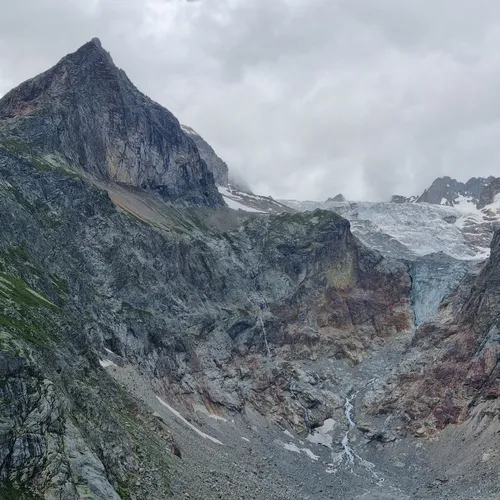
TMB Classic 8 Days - Self-Guided
Classic Tour du Mont Blanc in 8 days, self-guided. 84 km52 mi trek through France, Italy and Switzerland with hotel accommodation and luggage transport.
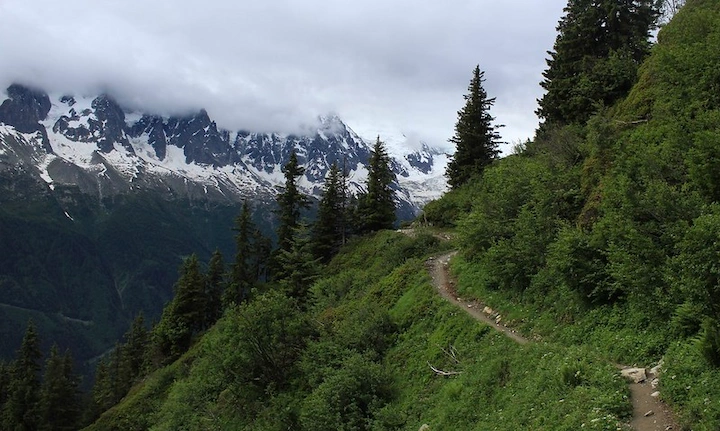
TMB Classic 12 Days - Self-Guided
Complete Tour du Mont Blanc in 12 days, self-guided. 120 km75 mi trek through France, Italy and Switzerland with hotel accommodation and luggage transport.
TMB Classic 10 Days - Guided
Classic Tour du Mont Blanc in 10 days with certified mountain guide. 107 km66 mi trek through France, Italy and Switzerland with hotel accommodation, all meals and luggage transport.
TMB Classic 10 Days - Guided - Women Only
Tour du Mont Blanc in 10 days, guided, women only. 107 km66 mi trek with certified female mountain guide, hotel accommodation, all meals and luggage transport.