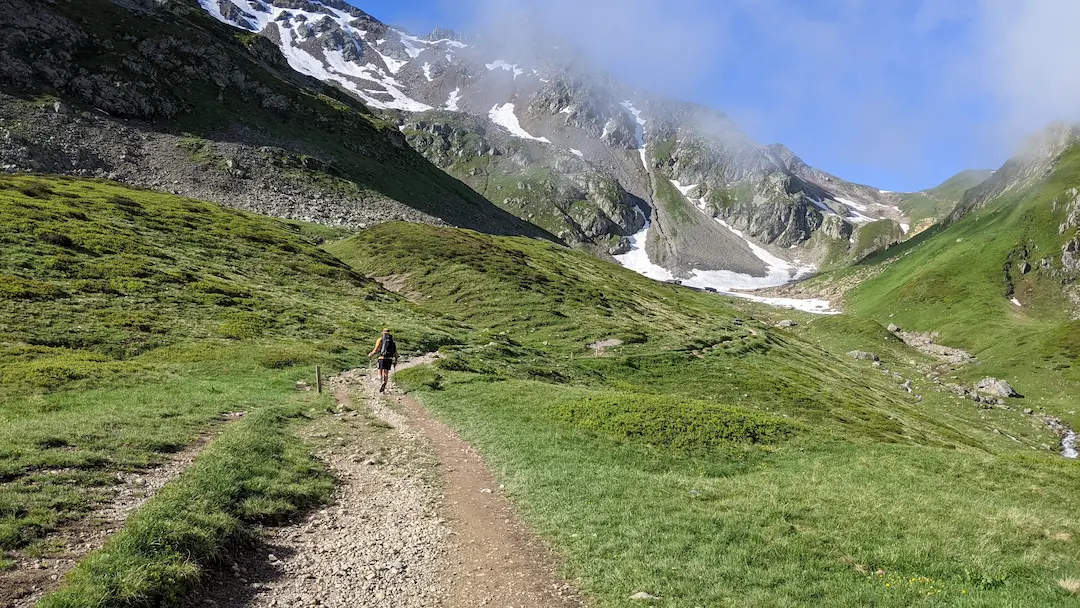
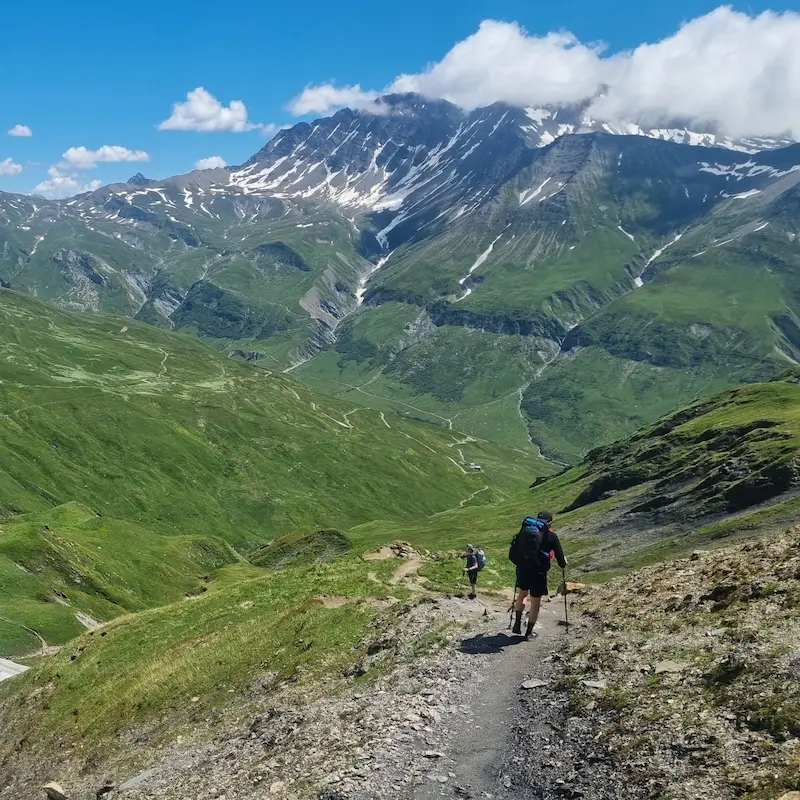
The Tour du Mont Blanc is an epic adventure that attracts hikers from around the world. This spectacular trail, spanning three countries - France, Italy, and Switzerland - offers an unmatched hiking experience. The landscapes are breathtaking, with majestic peaks, verdant valleys, and 360-degree panoramas that will leave you speechless. The website tmb-guide.com, created by enthusiasts of this iconic hike, provides a wealth of information to help you plan and make the most of this experience.
Undertaking the Tour du Mont Blanc without a guide offers a sense of independence and freedom unmatched by guided tours. It’s an opportunity to carve your own path, choose your pace, and decide where and when you want to stop to admire the view. It’s also a personal challenge, a chance to test your limits and see what you’re capable of. Of course, this requires good preparation, but the rewards are well worth it. So, are you ready to take on the challenge of the Tour du Mont Blanc on foot and without a guide?
Training for the Tour du Mont Blanc
Physical preparation is a crucial step before embarking on the Tour du Mont Blanc. This hike, although beautiful, is demanding and requires good physical condition. Therefore, it’s recommended to follow a specific training program several months before departure. This program can include cardio exercises like running or cycling, as well as strength training, particularly for the legs and back. Regular hiking to get accustomed to walking long distances is also beneficial. The TMB hut wardens suggest a three-month training plan along these lines (cardio, strength, long outings), detailed in our article on Tour du Mont Blanc training.
Choosing the right equipment is as important as physical preparation. It’s essential to choose clothing suitable for the weather and mountain conditions, such as breathable and waterproof garments. Hiking shoes should be comfortable and provide good support to prevent injuries. A suitable backpack is also necessary to carry food, water, and camping gear.
To get an idea of what to expect, you can consult the 7-day Tour du Mont-Blanc itinerary. This detailed itinerary will help you familiarize yourself with the different stages of the trail and better plan your trek.
Itineraries and Stages
The Tour du Mont Blanc is an exceptional hiking route offering a variety of stages, each with its own characteristics and difficulty levels. The start and end points of each stage vary, as do the distances to cover and challenges to face. It’s important to understand each stage before embarking on the adventure to ensure you’re well-prepared and can fully enjoy the experience.
Without a guide, the easiest way is to start from a route that is already split into stages: our Tour du Mont Blanc in 7 days for a steady pace, or our Tour du Mont Blanc in 10 days for shorter stages. To choose between 5, 7, 10 days or more, see our article on how many days the Tour du Mont Blanc takes.
For those looking to customize their experience, there are several variants of the Tour du Mont Blanc trail. These variants offer the chance to explore additional passes or exceptional viewpoints. However, it’s important to note that these variants are not necessarily shortcuts. While they may sometimes be shorter, they can also be more technical or take you higher, adding a level of complexity to the itinerary.
Popular variants include the Col de Tricot, on the first day of walking. There’s also the Col des Fours variant, starting from the top of Croix du Bonhomme and offering an alternative descent to Les Chapieux. For those seeking an extra challenge, the Fenetre d’Arpette is a variant that takes you to an altitude of 2665 meters!
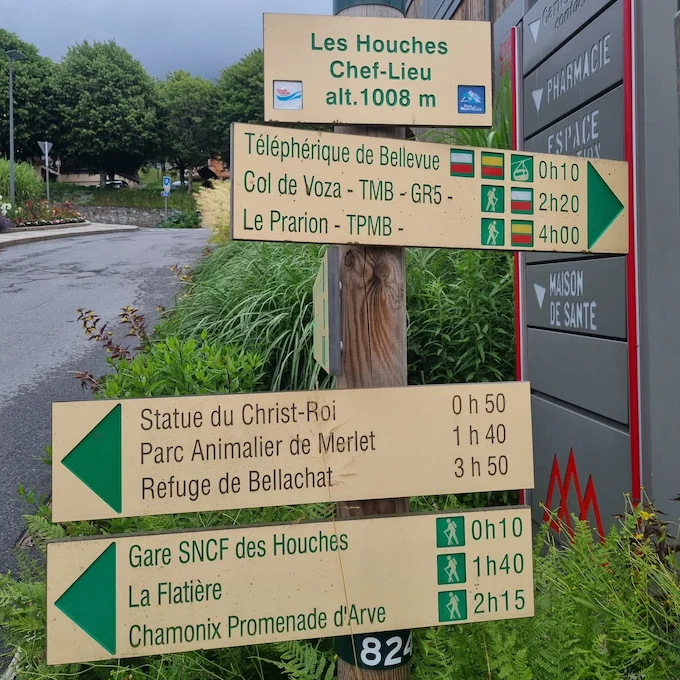
See the 7-day itinerary
Stages, route & accommodation
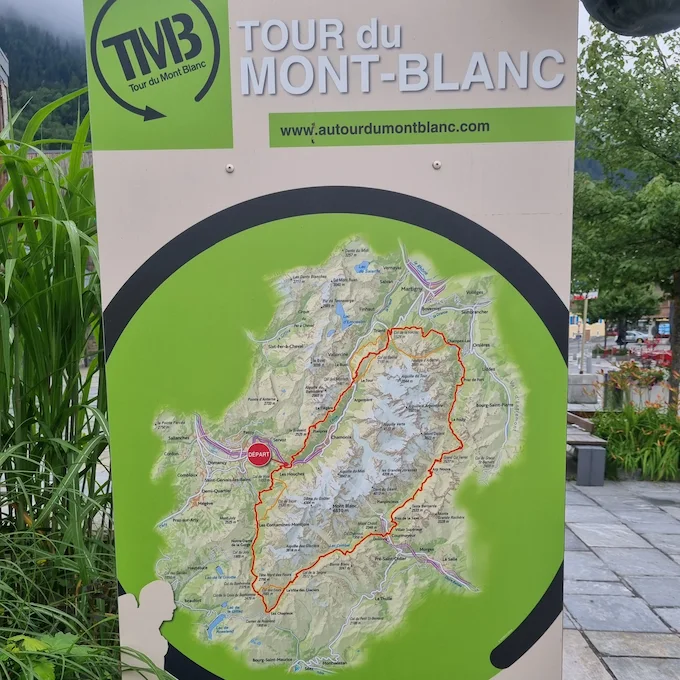
Browse all TMB variants
Col de Tricot, Col des Fours, Fenetre d'Arpette
Browse all our itineraries
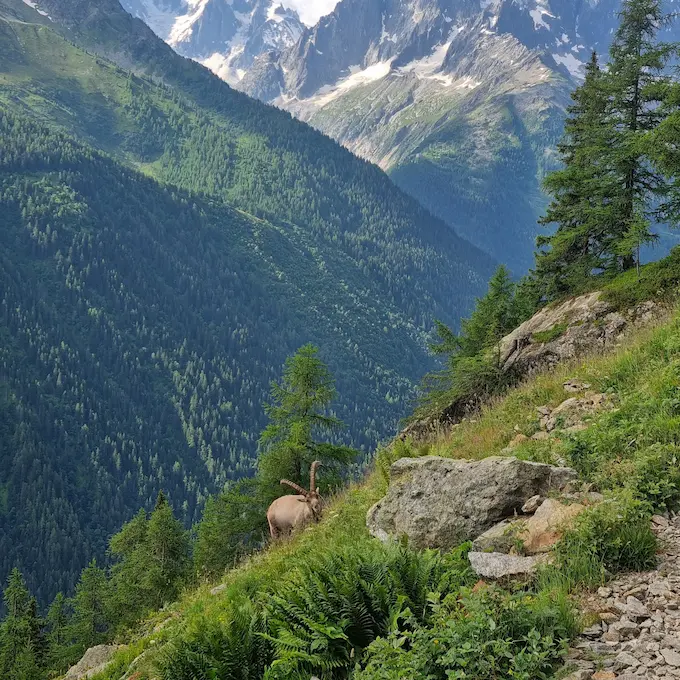
Tour du Mont Blanc in 7 days
Stages, route & accommodation
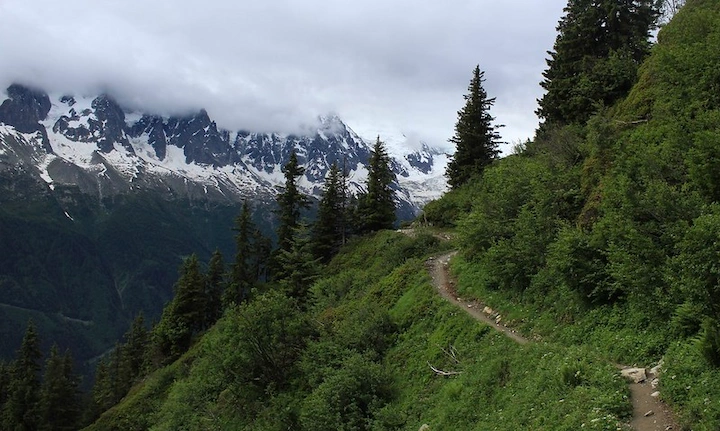
Tour du Mont Blanc in 10 days
Stages, route & accommodation
Refuges, Huts and Food
The Tour du Mont Blanc offers a variety of accommodation options to suit every hiker’s needs. Whether you prefer the comfort of an hostel, the friendly atmosphere of a refuge, or the freedom of camping, you’ll find an option that suits you. Book early: on the French side, booking every night is due to become mandatory from spring 2027, as the Vallée de Chamonix-Mont-Blanc community of communes has announced (in French); see our article on the 2027 mandatory reservation. To compare refuges, hostels and hotels, see also where to stay on the Tour du Mont Blanc.
Refuges are a popular option for many hikers. These establishments offer a warm bed, a hot meal, and a chance to meet other hikers. They are usually located at strategic points along the trail, making them natural stops for the night. For more information on the available refuges along the trail, you can consult detailed guides for refuges available in France, Italy, and Switzerland.
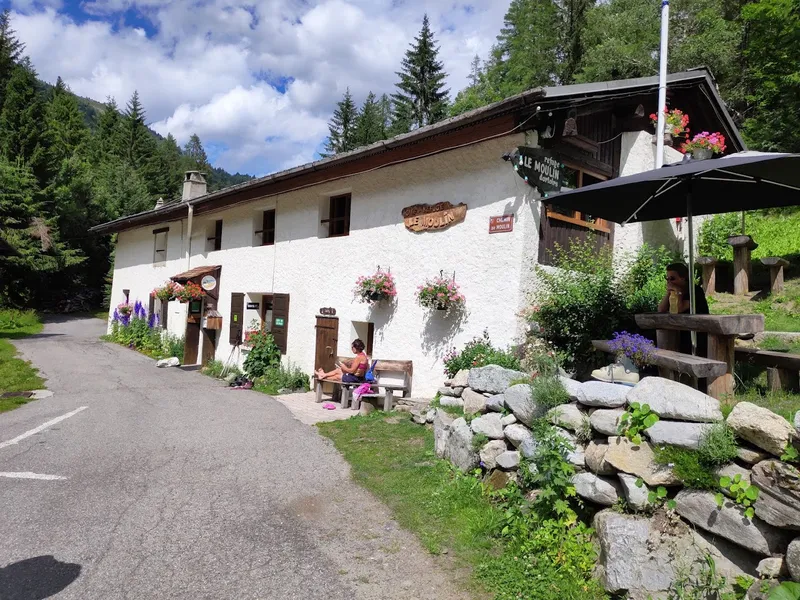
Tour du Mont Blanc refuges and huts
All accommodation options in France, Italy and Switzerland
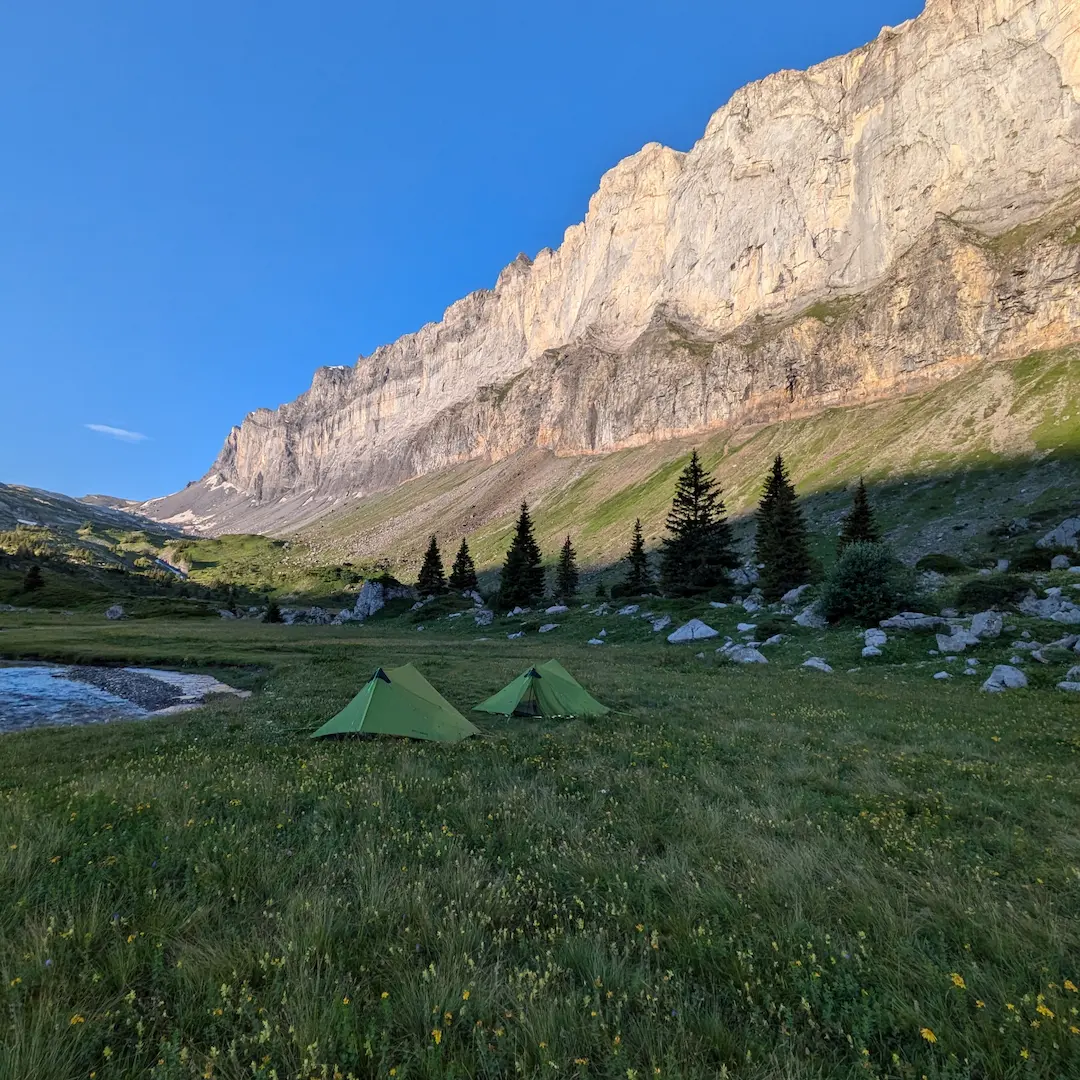
Hotels and hostels are another accommodation option. They often offer a higher level of comfort than refuges, with private rooms and sometimes private bathrooms. For those who prefer to be closer to nature, camping is an option. There are campgrounds along the trail, but no wild camping. La Chamoniarde (in French) puts it this way: in all the valleys around Mont Blanc, camping and bivouacking are only accepted on designated sites (campsites and bivouac areas). The details, commune by commune, are in our camping regulations on the TMB.
Practical tips
The success of a hike, particularly a trek as demanding as the Tour du Mont Blanc, relies on careful preparation and prudent management of key factors.
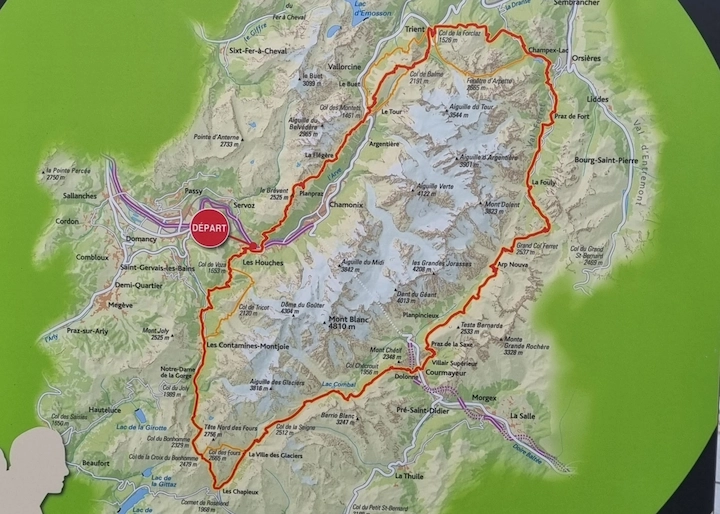
Which direction should you hike the Tour du Mont Blanc?
Advantages of each direction based on scenery and fitness level
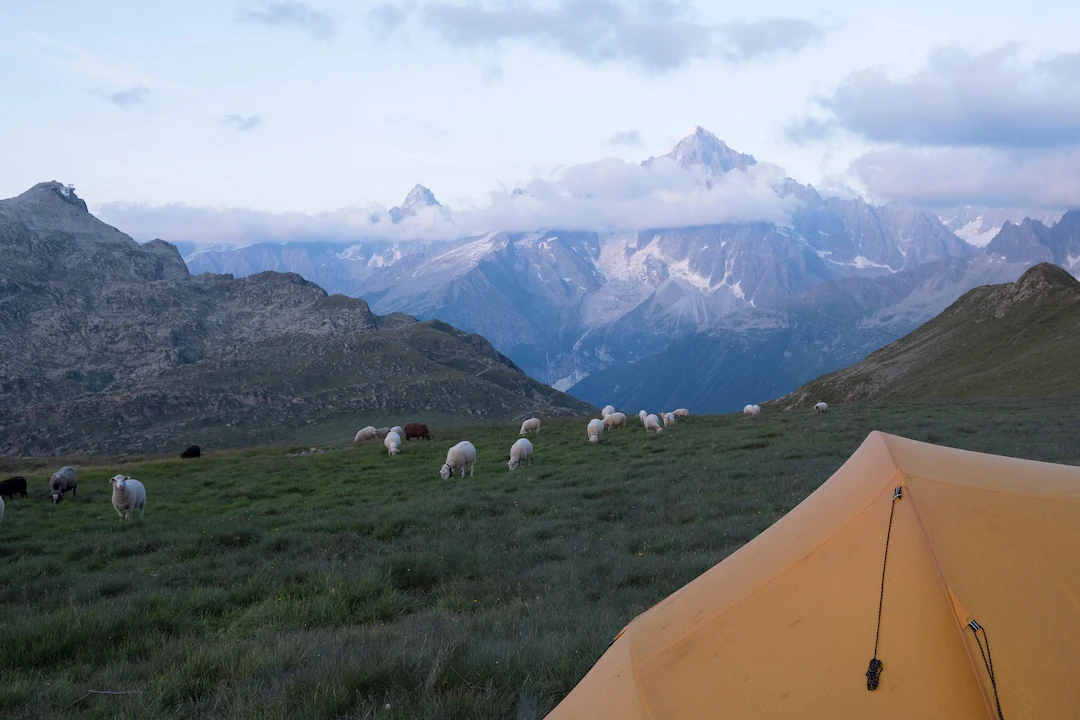
Camping regulations on the TMB
Rules in France, Italy and Switzerland
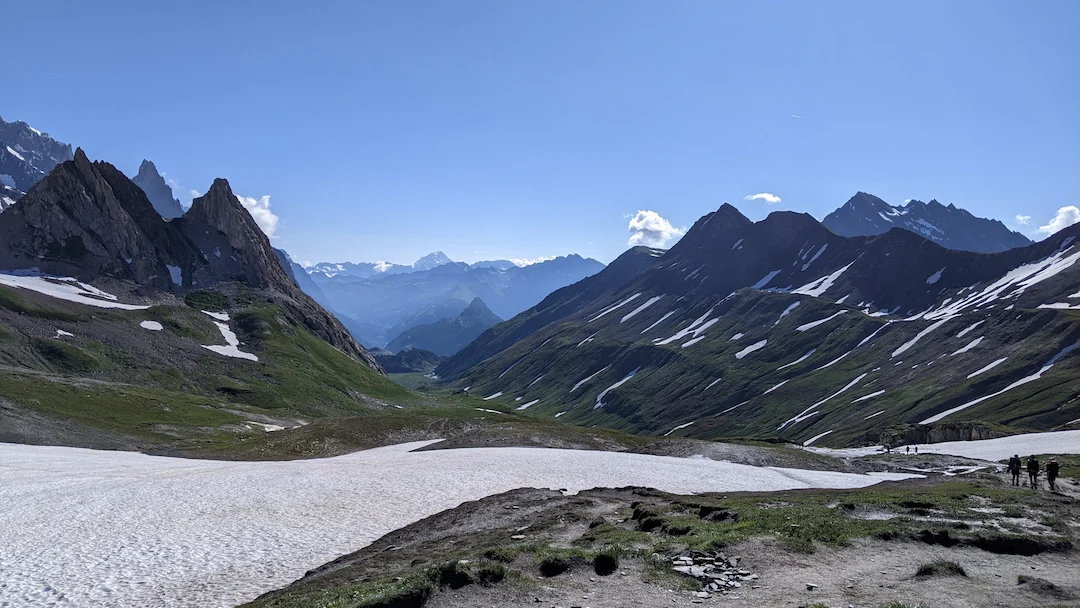
What is the best time to hike the Tour du Mont Blanc
Weather, crowds and refuge availability
Meal preparation is another crucial element to consider. It’s important to plan nutritious and balanced meals to maintain energy throughout the hike. Meals should be high in carbohydrates for energy and contain enough protein for muscle recovery. Staying hydrated, especially on long and intense walking days, is also essential.
Mountain safety is another aspect not to be overlooked. It’s important to always be aware of the weather conditions and adjust the itinerary if necessary. Additionally, having the right equipment, including quality hiking shoes, a comfortable backpack, and clothing suitable for the weather conditions, is crucial.
Going alone? It is possible, but La Chamoniarde (in French) points out that hiking alone is “never very prudent” (translated from French) and asks you to tell someone close to you your plans: route, departure and expected arrival times.
Regarding waste management and environmental respect, it’s essential to minimize environmental impact by properly managing waste and respecting the local wildlife and flora. This means carrying all waste, avoiding disturbing wildlife and flora, and staying on marked trails. It’s also important to respect other hikers and local communities by being courteous and respectful.
Finally, remember that trekking is as much a mental experience as it is physical. Adopting a positive attitude, remaining flexible in the face of unexpected challenges, and taking time to appreciate the natural beauty of the trail are essential. After all, the goal is not just to reach the destination, but also to enjoy the journey.