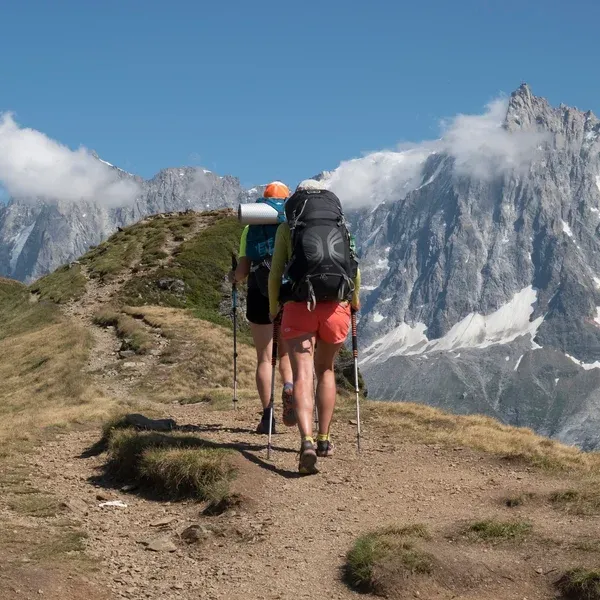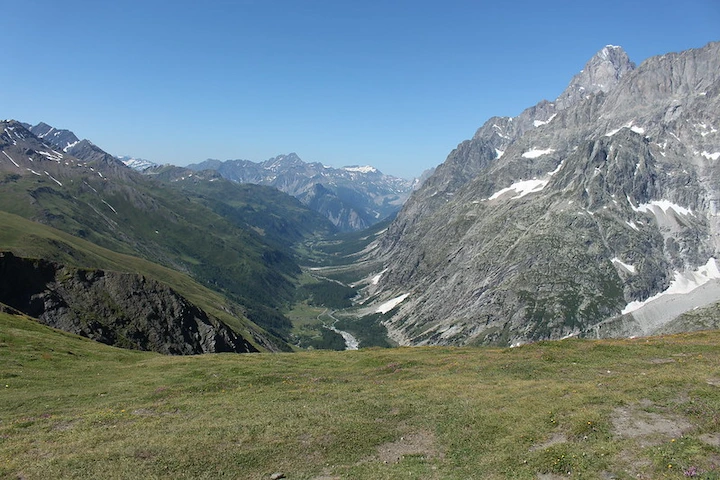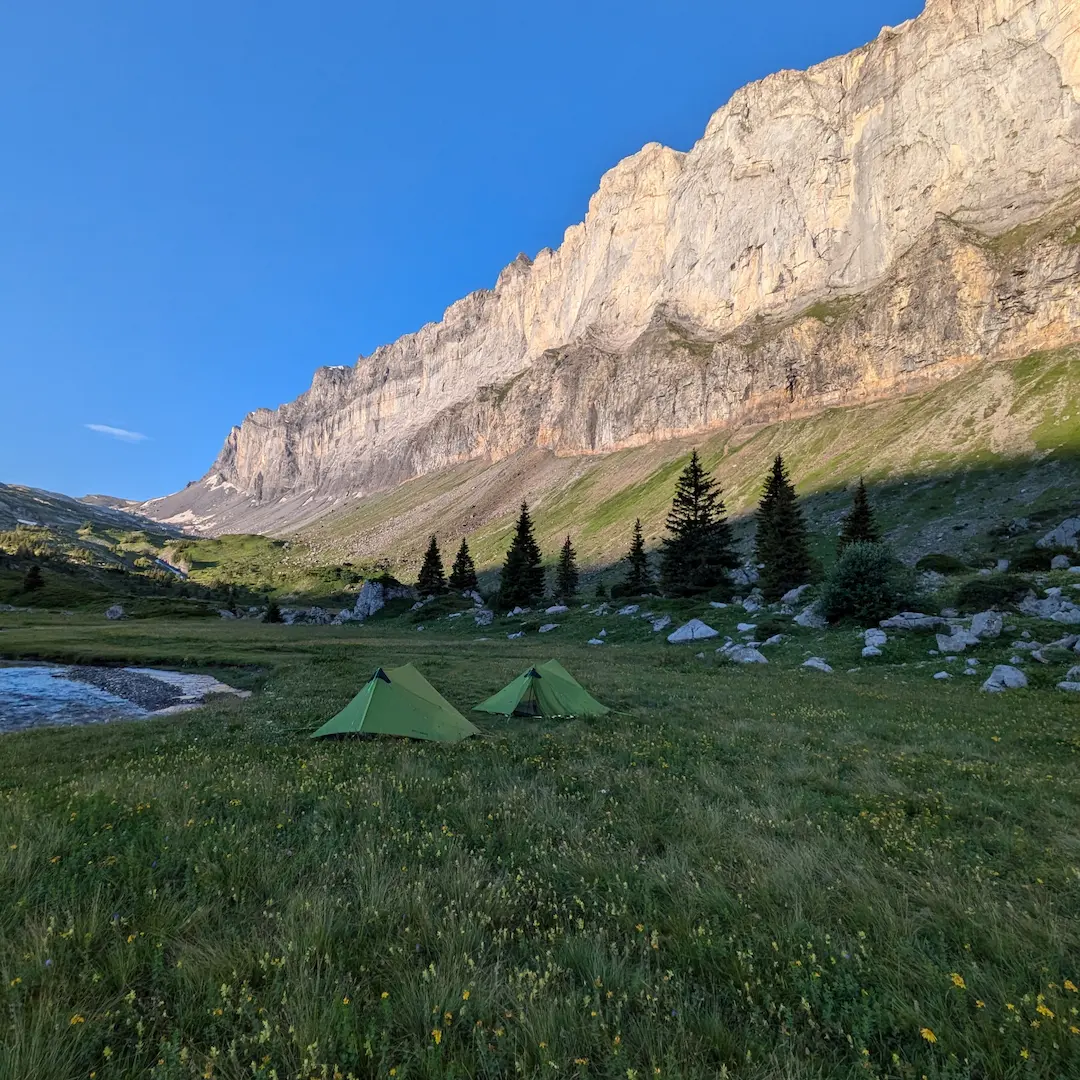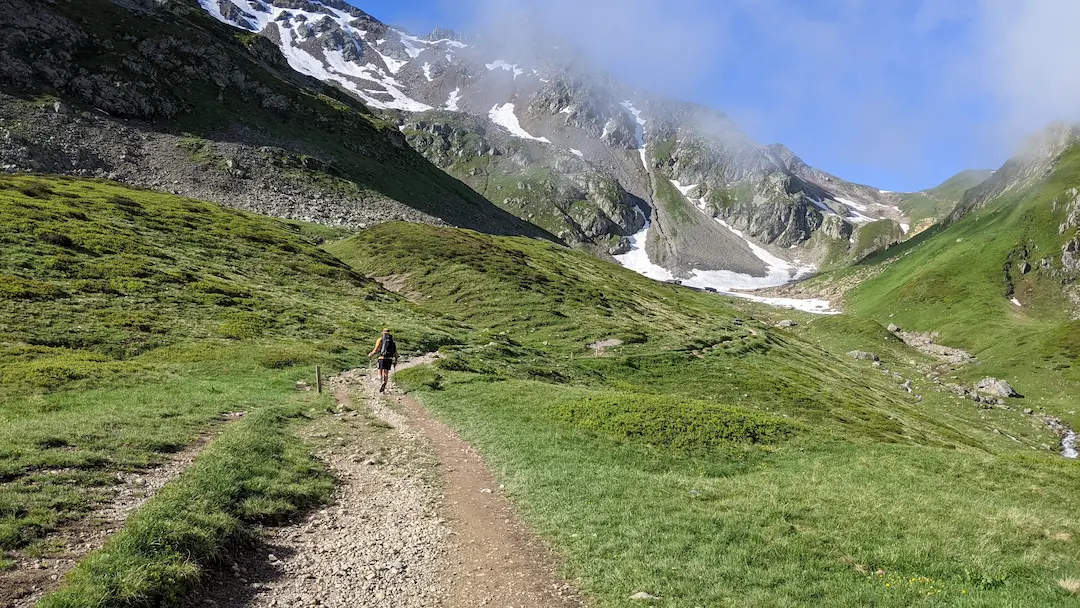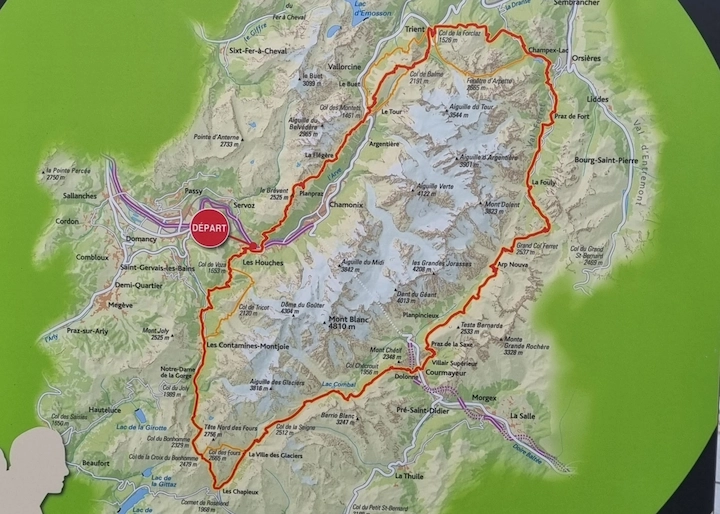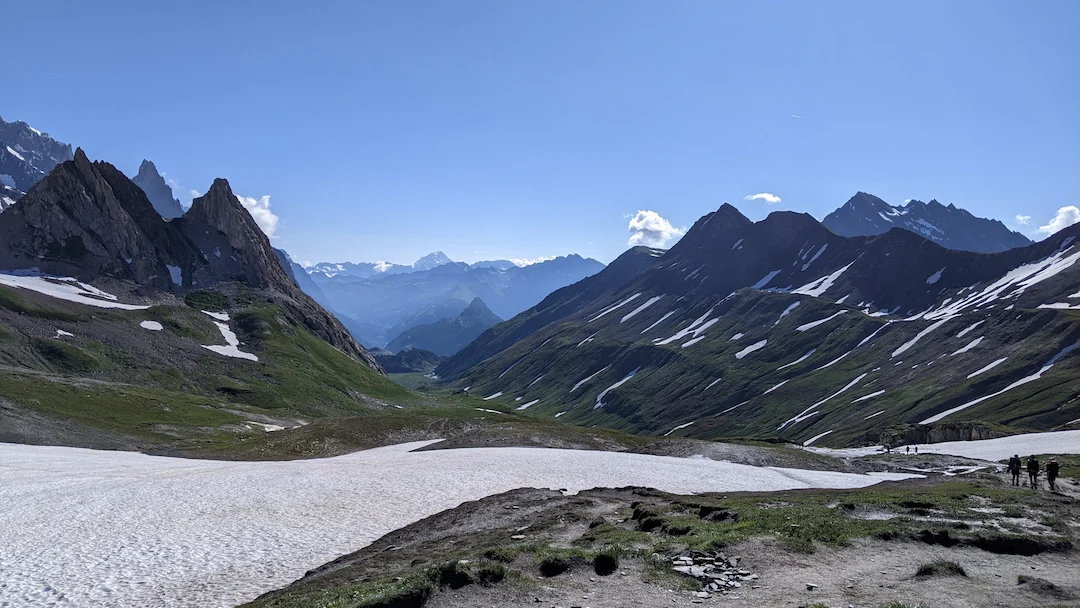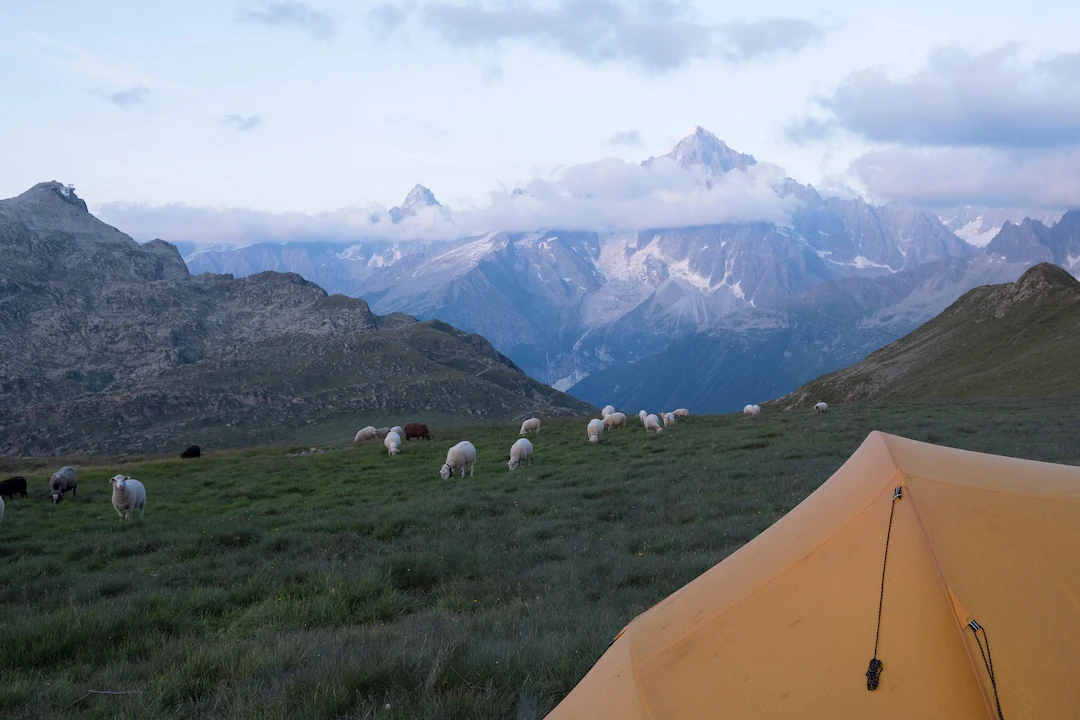
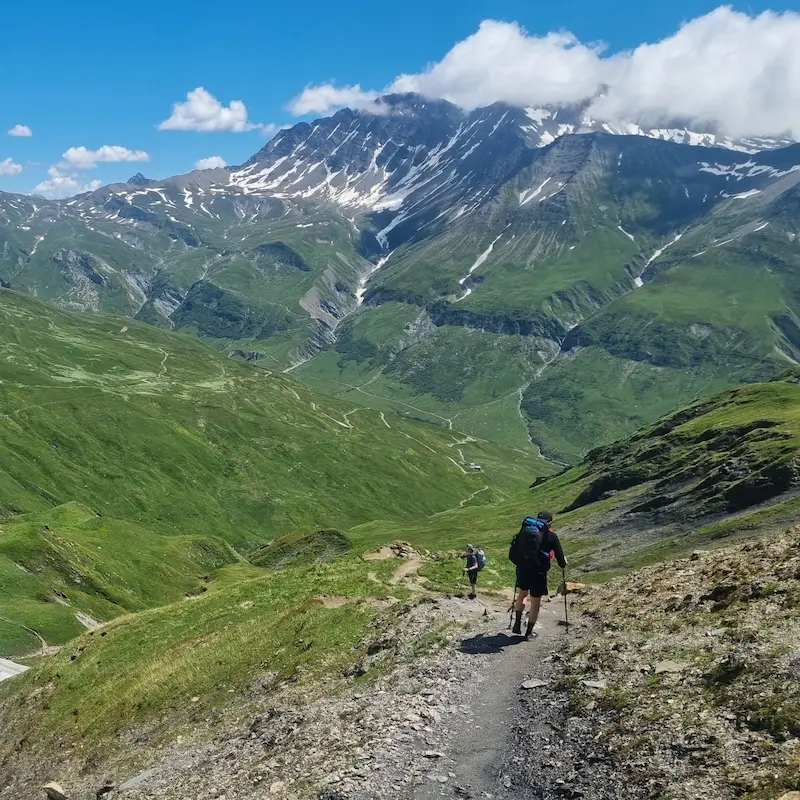
The Tour du Mont Blanc, this legendary journey of over 170 km106 mi, winding through France, Italy, and Switzerland, is an essential hiking adventure for outdoor enthusiasts. As you prepare to immerse yourself in the Alpine landscapes, a crucial question arises: What are the regulations regarding bivouacking along this route? In this article, we’ll explore the guidelines and laws specific to each country traversed by the Tour du Mont Blanc, providing essential tips for a responsible and memorable bivouacking experience. If you’re considering doing the tour du mont blanc without a guide, this information will be particularly useful.
2026 Regulation Update
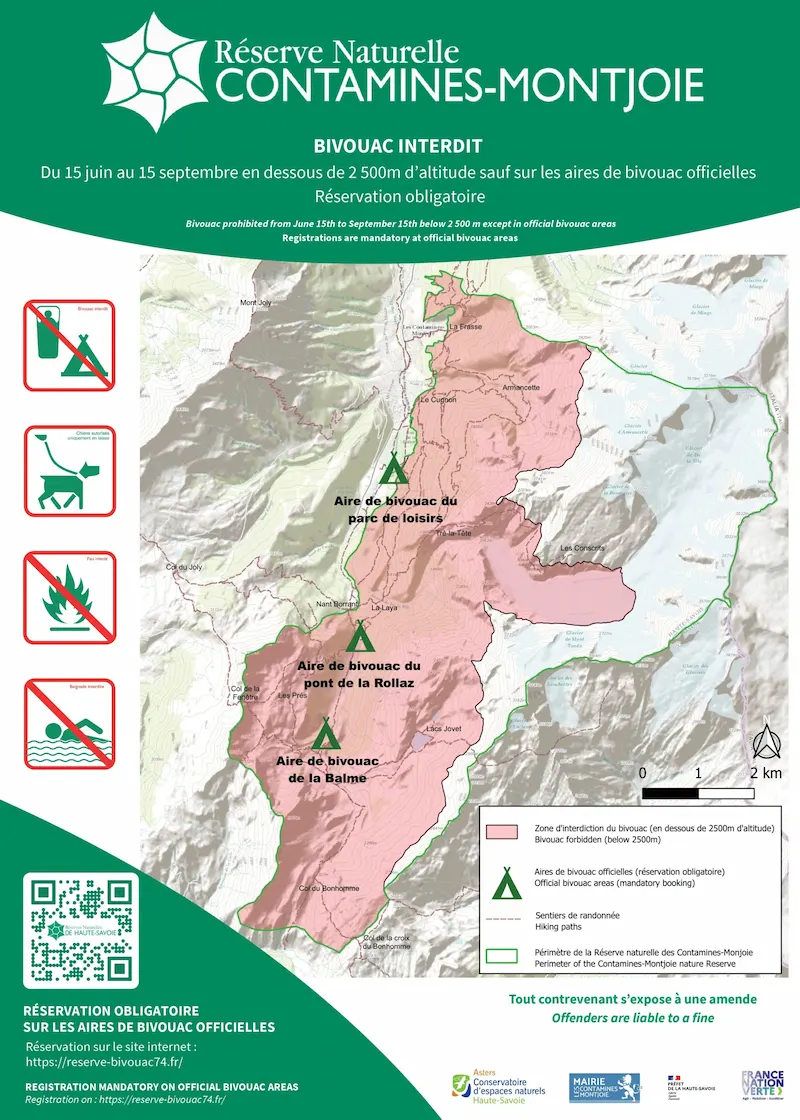
In short: the 2026 season brings a clear tightening of the rules on the French side. In the Réserve Naturelle des Contamines-Montjoie, bivouacking is now prohibited everywhere below 2 500 m8 202 ft from 15 June to 15 September: only the areas at La Giettaz / Pont de la Rollaz and La Balme remain open, and you must now book your spot online. Further south, bivouacking is prohibited throughout the Vallée des Glaciers, both around the Refuge des Mottets and on the climb to the Col de la Seigne. Finally, in the Aiguilles Rouges reserve that the TMB crosses above Chamonix, bivouacking is still possible from 7 PM to 9 AM but only in designated zones, which also require a reservation. In practice, you can no longer pitch a tent on the spur of the moment on the busiest French sections of the route: these three areas must be booked, and places are limited. Booking is free but has to be done in advance at reserve-bivouac74.fr, and pitching outside the permitted zones or hours carries a €68$74 fine.
Contamines-Montjoie Reserve: Bivouacking Banned Below 2,500 m
Update, 12 June 2026: under the prefectoral order DDT-2026-0474 of 4 June 2026, bivouacking is now prohibited throughout the reserve below 2 500 m8 202 ft, from 15 June to 15 September. Only the official bivouac areas at La Giettaz / Pont de la Rollaz (40 tents) and La Balme (50 tents) remain authorised during this period, and online reservation is now mandatory at reserve-bivouac74.fr. Swimming and boating are also prohibited year-round on all lakes and water bodies in the reserve (including for dogs). To ease pressure on these two areas, the commune is opening a new bivouac area of around 2,500 m² at the Pontet leisure park in summer 2026, at the foot of the reserve.
Vallée des Glaciers: Bivouacking Prohibited
Update, 18 May 2026 (from the warden of Refuge des Mottets): bivouacking is prohibited throughout the Vallée des Glaciers, including around the Refuge des Mottets and on the climb to the Col de la Seigne. The communal bivouac area in the village of Les Chapieux is the only authorised spot on this stage.
Aiguilles Rouges Reserve: Reservation Required
The TMB crosses the Aiguilles Rouges nature reserve along the Grand Balcon Sud, between La Flégère and Lac Blanc. In this area, as well as in the neighbouring Carlaveyron and Vallon de Bérard reserves, bivouacking is allowed from 7 PM to 9 AM between 1 June and 30 September, only in designated zones. This is the reserve where online reservation is most strictly mandatory, at reserve-bivouac74.fr. Capacity is limited:
| Bivouac zone | Capacity |
|---|---|
| Lacs des Chéserys | 30 tents |
| Lac du Brévent | 25 tents |
| Ruines d’Arlevé | 15 tents |
| Combe du lac Cornu | 15 tents |
Bivouac zones and capacities in the Aiguilles Rouges, Carlaveyron, and Vallon de Bérard reserves
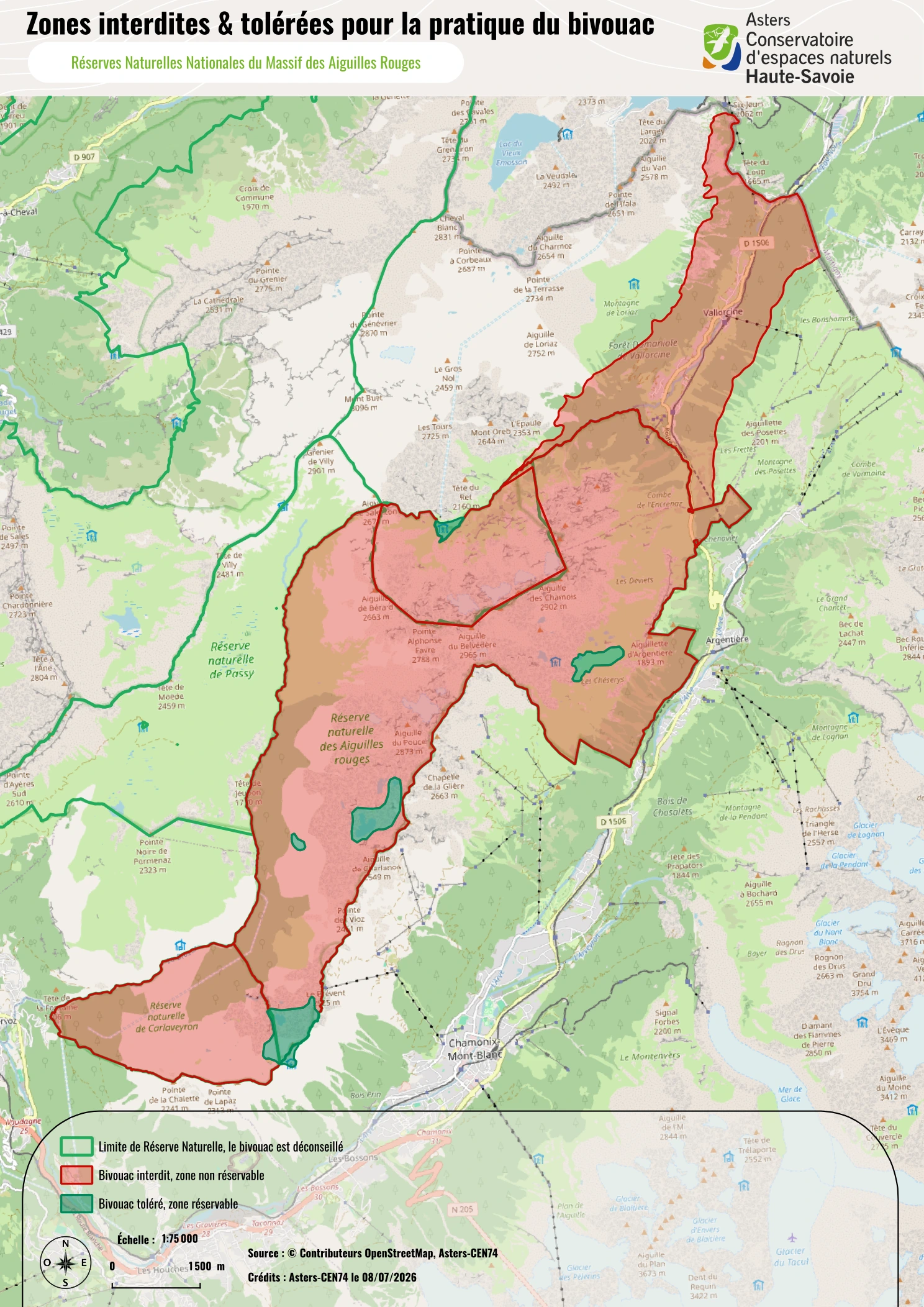
On this map, areas in red are closed to bivouacking and cannot be booked, while areas in green are tolerated and bookable. The green outline marks the reserve boundaries, where bivouacking is discouraged outside the designated zones.
All water activities (swimming and boating) are also prohibited in the Lacs des Chéserys and Lac Blanc from 1 June to 30 September.
How to Book Your Bivouac Night
Booking is done online at reserve-bivouac74.fr, the portal run by Asters, the Haute-Savoie conservatory of natural areas. The system has been in place since 2023 and covers the Aiguilles Rouges, Contamines-Montjoie, and Sixt-Fer-à-Cheval / Passy reserves. The form even asks explicitly whether you are hiking all or part of the Tour du Mont Blanc.
What you need to know:
- It’s free. Booking costs nothing and comes with no services: no water point, no bins, no warden. This is not a campsite.
- One booking per tent, not per person.
- Pitch at 7 PM, pack up by 9 AM. The idea is to set up at sunset and fold away at sunrise.
- You can string several nights together on the TMB, provided you take the tent down every morning by 9 AM and book each night.
- Outside the nature reserves, no booking is required - but individual communes have their own orders, so check each one.
- If checked by reserve wardens, pitching outside the tolerated zones or outside the permitted hours carries a fine of €68$74.
One practical point that catches out many thru-hikers: refuges do not take bivouackers’ rubbish. Storage space is tight and everything has to be flown down to the valley by helicopter. Your waste comes back down with you.
On kit, plan for a sleeping bag rated for altitude, a sleeping mat, warm layers, and a head torch - nights are considerably colder up high. Fires are banned, but portable stoves are allowed. In the Contamines-Montjoie reserve, public toilets are available.
Before You Set Off
The reserve managers set out a few sensible habits, which apply across the whole TMB:
- Scout your route and check access conditions on the trails.
- Make sure the difficulty of the stage matches your fitness.
- Cross-check several weather sources before leaving.
- Tell someone close to you where you are going.
- Carry hiking boots, warm and waterproof layers, water, food, and sun protection.
- Leave no litter, toilet paper included, and light no fires.
- Don’t cut switchbacks: shortcuts accelerate soil erosion.
Take particular care early in the season, late June and early July: lingering snowfields can make col crossings tricky. The mountain rescue number is 112.
Why These Restrictions?
The Réserve Naturelle des Contamines-Montjoie welcomes around 200,000 visitors each summer. Wardens have recorded peaks of more than 120 tents around a single mountain lake on some evenings - over 250 people reshaping the ground for the night, levelling earth and shifting rocks. Managers point to a build-up of pressures: noise that stresses wildlife and causes birds to abandon their broods, abandoned waste, wild toilets, sunscreen and washing-up liquid in the lakes, soil erosion and parallel trails that require heavy restoration work.
At 2 000 m6 562 ft, a simple apple core takes several months to break down. The stated aim is not to ban bivouacking but to channel it towards managed areas that can absorb the numbers without damaging the environment.
France Télévisions report - the bivouac ban below 2 500 m8 202 ft
Official Sources
- Prefectoral order DDT-2026-0474 of 4 June 2026 - Contamines-Montjoie nature reserve (bivouac and swimming)
- Prefectoral order - Aiguilles Rouges nature reserve (Asters CEN-74)
- Prefectoral order - Contamines-Montjoie nature reserve (Asters CEN-74)
- reserve-bivouac74.fr - official booking portal, Asters CEN-74
- Bivouac and swimming in nature reserves - French State services in Haute-Savoie
France: Where to Camp and Bivouac on the TMB
In France, bivouacking is allowed between 7 PM and 9 AM in most areas of the Tour du Mont Blanc, for one night only in the same spot and more than an hour’s walk from any motorised access.
But that national framework is not the whole story: each commune adds its own local orders, and these vary considerably from one valley to the next. Here is the detail commune by commune, in anti-clockwise order, the most common direction. For refuge stays, see our full list of refuges and hostels.
Les Houches
Bivouacking is tolerated from sunset to sunrise, for one night.
- Camping Bellevue - at the foot of the cable car, 100 m330 ft from the start of the TMB.
Les Contamines
Bivouacking is allowed in the dedicated areas and in certain zones of the Contamines-Montjoie nature reserve. Swimming is prohibited year-round within the perimeter of the Jovet and Plan Jovet lakes, which sit at around 2 180 m7 152 ft.
Note that as both lakes lie below 2 500 m8 202 ft, they fall under the blanket bivouac ban from 15 June to 15 September introduced in 2026 - see the 2026 regulation update at the start of this article.
- Camping Le Pontet
- Auberge du Truc (GR variant) - bivouac to be arranged with the refuge.
- Refuge de Miage (GR variant) - bivouac to be arranged with the refuge.
- Pont de la Rollaz bivouac area - 10 minutes above the Refuge de Nant Borrant.
- La Balme bivouac area - must be declared online. See the Refuge de la Balme page.
Bourg-Saint-Maurice (Les Chapieux)
There is an official bivouac area at Les Chapieux, with toilets and waste collection.
As the Vallée des Glaciers consists entirely of alpine pastures and private land, bivouacking is not permitted there.
Vallorcine
Wild camping and campfires are strictly prohibited, day and night, across the whole commune. Outside the nature reserves, bivouacking is allowed with the landowner’s permission, for one night, from 7 PM at the earliest until 9 AM the following morning at the latest. Above 1 700 m5 577 ft, permission to bivouac is granted automatically.
- Camping des Montets (GR variant)
- Auberge La Boerne - 30 places, half-board compulsory.
Aiguilles Rouges Massif
Bivouacking is tolerated in certain zones only. Online booking is mandatory before bivouacking in any of the massif’s reserves (Carlaveyron, Aiguilles Rouges, Vallon de Bérard). Swimming is prohibited by prefectoral order in the mountain lakes.
Chamonix
Camping and bivouacking have been banned across the whole commune since 1992. The only possible exception is bivouacking at altitude, between sunset and sunrise.
- Wide choice of campsites in Chamonix and the surrounding villages (Argentière, Les Bois, Les Bossons).
Source: practical guide “Campings et aires de bivouac autorisées sur le Tour du Mont-Blanc”, La Chamoniarde.
Italy: Bivouacking Banned Below 2,500 m
This is the most restrictive country on the route. All forms of stopping over or camping are prohibited throughout the Aosta Valley, even for periods of less than twenty-four hours.
Bivouacking is prohibited below 2 500 m8 202 ft, which covers almost the entire Aosta Valley territory crossed by the Tour du Mont Blanc. Breaking these rules carries a fine of €566$616.
In practice, on the Italian section, plan to sleep in a refuge, a campsite, or in Courmayeur. For anyone considering the tour du mont blanc in 7 days, this constraint directly shapes how the stages are cut.
Where to Camp in Italy
The valley campsites all sit off the GR route, away from the trail:
- Val Veny: Camping Aiguille Noire, Camping Monte Bianco (La Sorgente), Camping Hobo.
- Italian Val Ferret: Camping Grandes Jorasses, Camping Tronchey.
Source: practical guide by La Chamoniarde.
Switzerland: General Ban, Limited Exceptions
Bivouacking and wild camping are generally prohibited in Switzerland. The only exceptions: sleeping one night, not in a group, above the tree line, or in an emergency.
Here are the rules for the Valais communes the TMB passes through.
Orsières
Camping is only permitted at sites set aside for that purpose.
- Camping Les Rocailles - Champex-Lac.
- Camping Gite Bon Abri - Champex d’en Haut.
- Camping du Relais d’Arpette (GR variant).
- Camping des Glaciers - La Fouly.
Trient
Wild camping is prohibited.
- Communal campsite of Trient
- Campsite / bivouac at Le Peuty
- Camping de l’Arpille - to be arranged with the Col de la Forclaz hotel.
Bovernier and Martigny-Combe
Wild camping is prohibited and no official campsite exists in either commune.
Source: practical guide by La Chamoniarde.
Browse All Our Itineraries
Tour du Mont Blanc in 7 Days
Stages, route & accommodations
Tour du Mont Blanc in 10 Days
Stages, route & accommodations
Tips for Responsible Bivouacking
For responsible bivouacking, it’s essential to take all waste with you, use suitable equipment, respect other hikers, and use potable water sources. Practicing ecological toilets is also crucial to minimize environmental impact.
The best period to do the TMB is worth considering, as are the alternative routes: the Fenetre d’Arpette, Col des Fours, and Col de Tricot all add to the experience.